Every Drop Matters..!
About Hematology
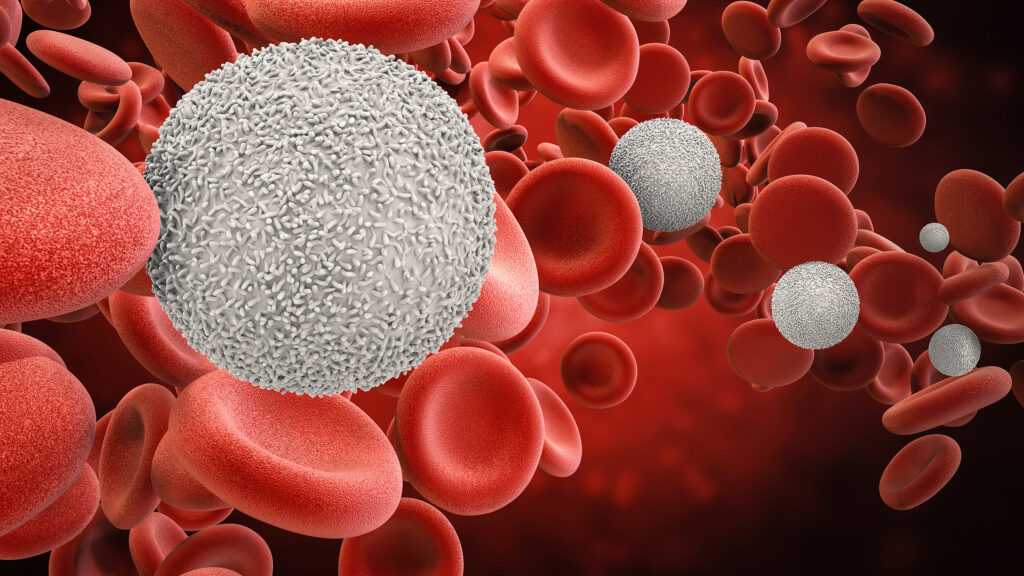
Hematology (also spelled haematology in British English) is the branch of medicine concerned with the study of the cause, prognosis, treatment, and prevention of diseases related to blood. It involves treating diseases that affect the production of blood and its components, such as blood cells, hemoglobin, blood proteins, bone marrow, platelets, blood vessels, spleen, and the mechanism of coagulation. Such diseases might include hemophilia, blood clots (thrombus), other bleeding disorders, and blood cancers such as leukemia, multiple myeloma, and lymphoma. The laboratory analysis of blood is frequently performed by a medical technologist or medical laboratory scientist.
Risk Factors
- Aging
- Autoimmune Diseases
- Drugs & Chemicals
- Liver Disease
- Kidney Disease
- Thyroid
- Poor Diet
- Pregnancy
- Obesity
- Heart Disease
- Blood Pressure
- High Cholesterol
- Smoking
- Trauma
Most Common Types of Hematological Diseases
- Sickle Cell Anemia
- Alpha Thalassemia
- Iron-Deficiency Anemia
- Vitamin Deficiency Anemia
- Folate Deficiency
- Aplastic Anemia
- Beta Thalassemia
- Hemophilia
- ITP
- Leukemia
- Hemolytic Anemia
- Anemia