
Hemolytic Anemia
What is Hemolytic Anemia ?
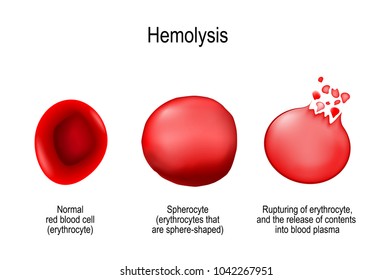
Hemolytic anemia is a blood disorder that makes your red blood cells break down or die faster than your body can replace them with new blood cells. People may develop hemolytic anemia due to genetic conditions that cause anemia. Sometimes, people have mild hemolytic anemia symptoms that go away after treatment. Many times, healthcare providers can cure hemolytic anemia after finding out what caused the condition. Left untreated, however, severe hemolytic anemia can cause serious heart trouble.
Symptoms
- Paleness of the skin
- Fatigue
- Fever
- Confusion
- Lightheadedness
- Dizziness
- Weakness
- Jaundice
- Shortness of breath
- Fast heartbeat
- Low blood pressure
- Blood in your pee
Cause
Hemolytic anemia may be caused by inherited conditions that affect the red blood cells. It’s also caused by certain infections, or if someone receives a blood transfusion from a donor whose blood type doesn’t match.
Risk Factors
Hemolytic anemia, a condition where red blood cells are destroyed faster than they can be produced, can be caused by a variety of factors, including genetic conditions, infections, certain medications, autoimmune disorders, and even physical trauma. Risk Factors for Hemolytic Anemia are Genetic Conditions, Infections, Autoimmune Disorders, Medications, Blood Transfusions, Mechanical Heart Valves, Certain Tumors, Hypersplenism, Environmental Factors.
When to see a Doctor
Make an appointment with your doctor if you have any signs or symptoms that worry you.