
Aplastic Anemia
What is Aplastic Anemia ?
Aplastic anemia is a condition that occurs when your body stops producing enough new blood cells. The condition leaves you fatigued and more prone to infections and uncontrolled bleeding.
A rare and serious condition, aplastic anemia can develop at any age. It can occur suddenly, or it can come on slowly and worsen over time. It can be mild or severe. Treatment for aplastic anemia might include medications, blood transfusions or a stem cell transplant, also known as a bone marrow transplant.
Symptoms
- Fatigue
- Shortness of breath
- Rapid or irregular heart rate
- Pale skin
- Frequent or prolonged infections
- Unexplained or easy bruising
- Nosebleeds and bleeding gums
- Prolonged bleeding from cuts
- Skin rash
- Dizziness
- Headache
- Fever
Cause
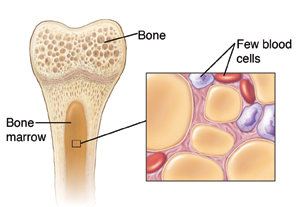
Stem cells in the bone marrow produce blood cells — red cells, white cells and platelets. In aplastic anemia, stem cells are damaged. As a result, the bone marrow is either empty (aplastic) or contains few blood cells (hypoplastic). The most common cause of aplastic anemia is from your immune system attacking the stem cells in your bone marrow. Other factors that can injure bone marrow and affect blood cell production include Radiation and chemotherapy treatments, Exposure to toxic chemicals, Use of certain drugs, Autoimmune disorders, A viral infection, Pregnancy. Some people with aplastic anemia also have a rare disorder known as paroxysmal nocturnal hemoglobinuria, which causes red blood cells to break down too soon. This condition can lead to aplastic anemia, or aplastic anemia can evolve into paroxysmal nocturnal hemoglobinuria. Fanconi’s anemia is a rare, inherited disease that leads to aplastic anemia. Children born with it tend to be smaller than average and have birth defects, such as underdeveloped limbs. The disease is diagnosed with the help of blood tests.
Risk Factors
Aplastic anemia is rare. Factors that can increase risk include treatment with high-dose radiation or chemotherapy for cancer. Exposure to toxic chemicals. The use of some prescription drugs — such as chloramphenicol, which is used to treat bacterial infections, and gold compounds used to treat rheumatoid arthritis. Certain blood diseases, autoimmune disorders and serious infections. Pregnancy, rarely.
When to see a Doctor
Make an appointment with your doctor if you have any signs or symptoms that worry you.