
Leukemia
What is Leukemia ?
Leukemia is cancer of the body’s blood-forming tissues, including the bone marrow and the lymphatic system. Many types of leukemia exist. Some forms of leukemia are more common in children. Other forms of leukemia occur mostly in adults.
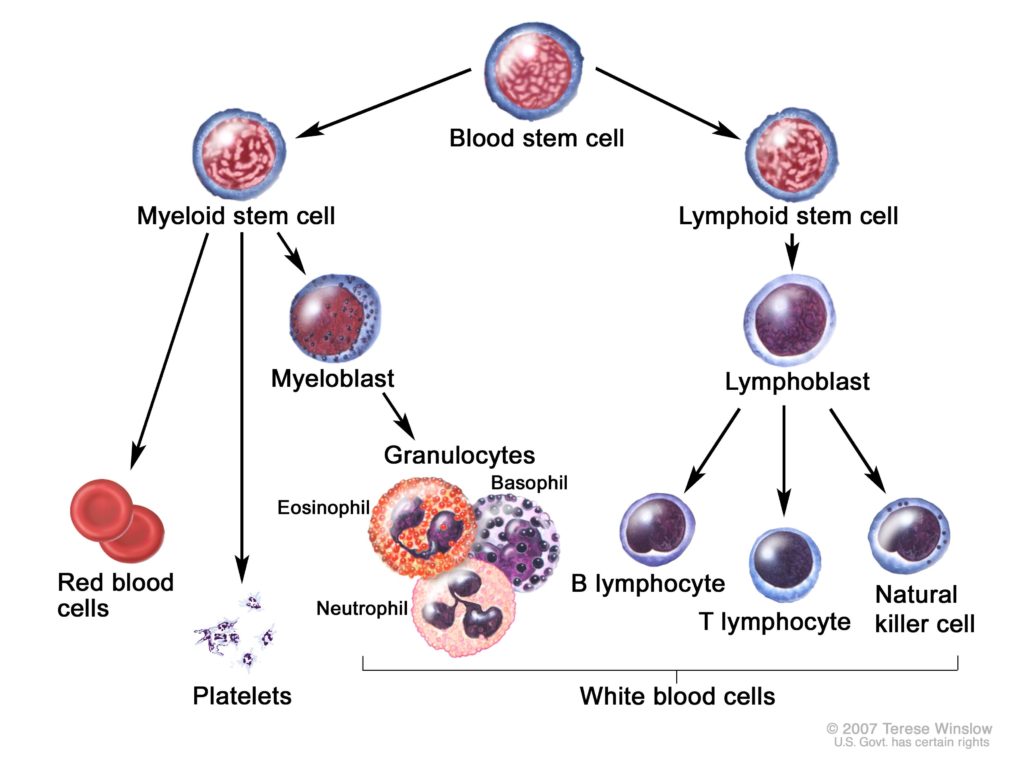
Leukemia usually involves the white blood cells. Your white blood cells are potent infection fighters — they normally grow and divide in an orderly way, as your body needs them. But in people with leukemia, the bone marrow produces an excessive amount of abnormal white blood cells, which don’t function properly. Treatment for leukemia can be complex — depending on the type of leukemia and other factors. But there are strategies and resources that can help make your treatment successful.
Symptoms
- Fever or chills
- Persistent fatigue, weakness
- Frequent or severe infections
- Losing weight without trying
- Swollen lymph nodes, enlarged liver or spleen
- Easy bleeding or bruising
- Recurrent nosebleeds
- Tiny red spots in your skin
- Excessive sweating, especially at night
- Bone pain or tenderness
- Shortness of breath
- Pale skin
Cause
In general, leukemia is thought to occur when some blood cells acquire changes (mutations) in their genetic material or DNA. A cell’s DNA contains the instructions that tell a cell what to do. Normally, the DNA tells the cell to grow at a set rate and to die at a set time. In leukemia, the mutations tell the blood cells to continue growing and dividing. When this happens, blood cell production becomes out of control. Over time, these abnormal cells can crowd out healthy blood cells in the bone marrow, leading to fewer healthy white blood cells, red blood cells and platelets, causing the signs and symptoms of leukemia.
Risk Factors
Factors that may increase your risk of developing some types of leukemia include Previous cancer treatment, People who’ve had certain types of chemotherapy and radiation therapy for other cancers have an increased risk of developing certain types of leukemia. Genetic disorders, Genetic abnormalities seem to play a role in the development of leukemia. Certain genetic disorders, such as Down syndrome, are associated with an increased risk of leukemia. Exposure to certain chemicals, Exposure to certain chemicals, such as benzene — which is found in gasoline and is used by the chemical industry — is linked to an increased risk of some kinds of leukemia. Smoking, Smoking cigarettes increases the risk of acute myelogenous leukemia. Family history of leukemia, If members of your family have been diagnosed with leukemia, your risk of the disease may be increased. However, most people with known risk factors don’t get leukemia. And many people with leukemia have none of these risk factors.
When to see a Doctor
Make an appointment with your doctor if you have any persistent signs or symptoms that worry you. Leukemia symptoms are often vague and not specific. You may overlook early leukemia symptoms because they may resemble symptoms of the flu and other common illnesses. Sometimes leukemia is discovered during blood tests for some other condition.