Ask For Advice..!
About Neurology
Neurology is a branch of medicine dealing with disorders of the nervous system. Neurology deals with the diagnosis and treatment of all categories of conditions and diseases involving the central and peripheral nervous system, including their coverings, blood vessels, and all effector tissue, such as muscle. Neurological practice relies heavily on the field of neuroscience, the scientific study of the nervous system.
A neurologist is a physician specializing in neurology and trained to investigate, diagnose, and treat neurological disorders. Neurologists treat a myriad of neurological conditions, including stroke, seizures, movement disorders such as Parkinson’s disease, autoimmune neurologic disorders such as multiple sclerosis, headache disorders like migraine, and dementias such as Alzheimer’s disease. Neurologists may also be involved in clinical research, clinical trials, and basic or translational research. While neurology is a nonsurgical specialty, its corresponding surgical specialty is neurosurgery.
Risk Factors
- Gender
- Age
- Race/Ethnicity
- Diabetes
- Lack of physical activity
- Alcohol abuse
- Smoking
- History of stroke
- Family history
- Heart disease
- High blood pressure
- History of migraines
Most Common Types of Neurological Diseases
- Acute spinal cord injury
- Alzheimer's disease
- Amyotrophic lateral sclerosis
- Ataxia
- Bell's palsy
- Hydrocephalus
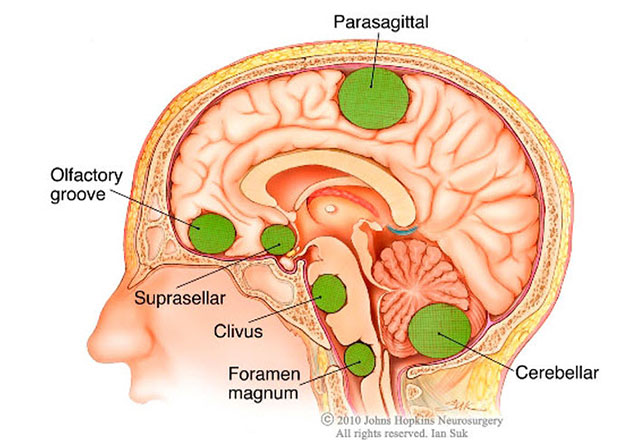
- Brain tumors
- Cerebral aneurysm
- Epilepsy and seizures
- Guillain-Barré Syndrome
- Head injury
- Lumbar disk disease
- Meningitis
- Multiple sclerosis
- Muscular dystrophy
- Parkinson's disease
- Stroke
- Cluster headaches
- Brain cancer
- Migraine headaches
- Encephalitis
- Myasthenia gravis