
Ataxia
What is Ataxia ?
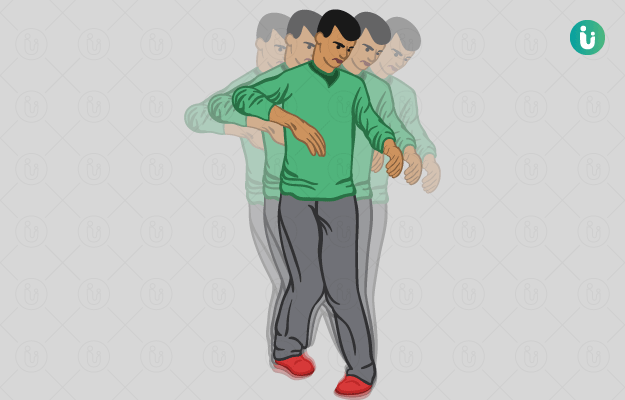
Ataxia describes poor muscle control that causes clumsy movements. It can affect walking and balance, hand coordination, speech and swallowing, and eye movements. Ataxia usually results from damage to the part of the brain called the cerebellum or its connections. The cerebellum controls muscle coordination. Many conditions can cause ataxia, including genetic conditions, stroke, tumors, multiple sclerosis, degenerative diseases and alcohol misuse. Certain medicines also can cause ataxia.
Treatment for ataxia depends on the cause. Devices such as walkers and canes might help maintain independence. These also are called adaptive devices. Physical therapy, occupational therapy, speech therapy and regular exercise also might help.
Symptoms
- Poor coordination
- Walking unsteadily
- Poor balance
- Trouble with fine motor tasks
- Changes in speech
- Uncontrolled eye movements
- Trouble swallowing
- Tremors
- Fatigue
- Vision problems
- Muscle weakness or tightness
- Trouble writing and eating
Cause
Some examples of conditions or circumstances that can cause ataxia include alcohol intoxication (being drunk). Brain tumors (or other forms of cancer). Celiac disease. Congenital disorders (conditions you have at birth, such as Chiari malformation). Concussions and traumatic brain injuries. Degenerative brain conditions like Parkinson’s disease. Drugs (prescription and recreational, especially medications for epilepsy and depression). Fatigue and stress. Genetic disorders (conditions you have at birth that you inherited from one or both parents, such as Friedreich’s ataxia, ataxia-telangiectasia, Niemann-Pick Disease, Wilson’s disease, etc.). Huffing substances like toluene, gasoline, glue, spray paint or other inhalants. Immune and inflammatory conditions (such as multiple sclerosis). Infections (these can happen because of bacteria, viruses, parasites and fungi). Radiation sickness. Stroke and transient ischemic attacks (TIAs). Toxic exposure to chemicals, metals or substances like mercury. Underactive thyroid gland (hypothyroidism). Vitamin deficiencies and nutrition problems (such as low vitamin B12 levels).
Risk Factors
There are several risk factors for ataxia. People who have a family history of ataxia are at a higher risk of having ataxia themselves. Other risk factors include drinking too much alcohol over a long period. Having hypothyroidism or hypoparathyroidism. Having multiple sclerosis. Having an illness caused by an immune reaction to eating gluten, known as celiac disease. Having a disease that causes inflammatory cells to build up in parts of the body, known as sarcoidosis. Having a degenerative disease called multiple system atrophy. Having a paraneoplastic syndrome triggered by cancer. Taking medicines that increase the risk of ataxia, such as anti-seizure medicines and sedatives. Being exposed to heavy metals, such as lead or mercury, or solvents, such as from paint thinner. Not getting enough vitamin E, vitamin B-6, vitamin B-12, or vitamin B-1, also known as thiamine. Getting too much vitamin B-6 is also a risk factor.
When to see a Doctor
If you aren’t aware of having a condition that causes ataxia, such as multiple sclerosis, see your doctor as soon as possible if you lose balance, lose muscle coordination in a hand, arm or leg, have difficulty walking, slur your speech, have difficulty swallowing.