
Neuro Cancer
What is Neuro Cancer ?
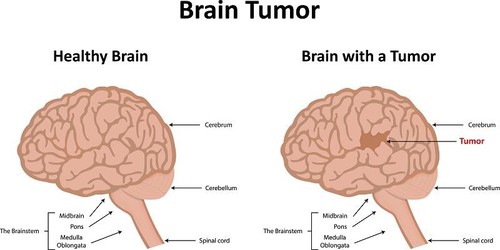
Neurological cancer is cancer of the brain or spine. Sometimes it affects both areas of the body at once. Brain cancer occurs when cells inside your brain reproduce uncontrollably, forming a mass. This mass, also called a tumor, can be cancerous (high grade, malignant) or noncancerous (low grade, benign).
Malignant neurological tumors can invade nearby tissue and spread to other parts of your brain. Benign tumors don’t spread, but they can still cause neurological cancer symptoms, especially if they grow to be quite large.
Every year, approximately 18,000 Americans are diagnosed with neurologic cancer in their brain, spinal cord and other parts of the nervous system. In children, brain and spine cancer most often occur before the age of 10. In adults, it usually develops between the ages of 30 and 50.
Symptoms
- Weakness
- Seizures
- Headaches
- Problems with speech or vision
- Confusion in everyday matters
- Difficulty walking
- Changes in alertness, memory, concentration
- Changes in personality
- Nausea and/or vomiting
- Hearing problems
Cause
Neurological cancers, primarily brain tumors, arise from the abnormal growth of cells in the brain or spinal cord. While the exact cause is unknown for most cases, certain factors increase the risk of developing these tumors. These include genetic predispositions, exposure to radiation, and certain environmental factors. Some rare genetic syndromes, like Neurofibromatosis, Li-Fraumeni syndrome, and Von Hippel-Lindau disease, increase the risk of brain tumors. A family history of brain cancer can also increase an individual’s risk. Exposure to high doses of ionizing radiation, such as from past radiation therapy treatments or medical imaging, can increase the risk of brain tumors. Exposure to specific industrial chemicals or solvents may be linked to an increased risk of brain tumors. Certain infections, like Epstein-Barr virus, have been associated with an increased risk of brain tumors.
Risk Factors
Although the exact causes of primary brain cancer are not yet fully understood, researchers have identified several risk factors, which are traits that can make an individual more susceptible to developing brain and spinal cord tumors. That is not to say that all people who have one (or more) of these traits will develop cancer. Likewise, brain tumors can and do affect people who have no known risk factors.
When to see a Doctor
Make an appointment with your health care provider if you have persistent signs and symptoms that worry you.