
Viral Gastroenteritis
What is Viral Gastroenteritis ?
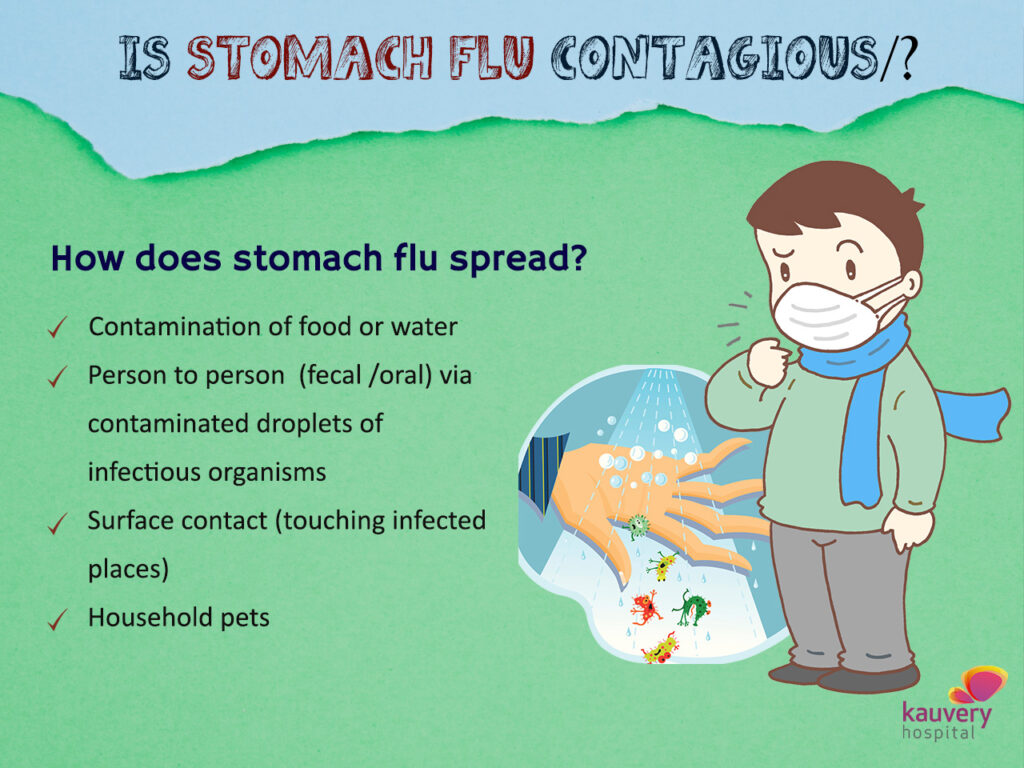
Viral gastroenteritis is an intestinal infection that includes signs and symptoms such as watery diarrhea, stomach cramps, nausea or vomiting, and sometimes fever. The most common way to develop viral gastroenteritis — often called stomach flu — is through contact with an infected person or by consuming contaminated food or water.
If you’re otherwise healthy, you’ll likely recover without complications. But for infants, older adults, and people with compromised immune systems, viral gastroenteritis can be deadly. There is no effective treatment for viral gastroenteritis, so prevention is crucial. Avoid food and water that may be contaminated, and wash your hands thoroughly and often.
Symptoms
- Diarrhea
- Nausea
- Vomiting
- Loss of appetite
- Abdominal pain and cramping
- Fever
- Chills
- Fatigue
- Body aches
- Headaches
Cause
You’re most likely to get viral gastroenteritis when you eat or drink contaminated food or water. You may also be able to get gastroenteritis if you share utensils, towels, or food with someone who has one of the viruses that cause the condition. Many viruses can cause gastroenteritis, including Noroviruses. Both children and adults are affected by noroviruses, the most common cause of foodborne illness worldwide. Norovirus infection can sweep through families and communities. It’s especially likely to spread among people in confined spaces. In most cases, you pick up the virus from contaminated food or water. But it can also spread between people who are in close contact or who share food. You can also get the virus by touching a surface that’s been contaminated with norovirus and then touching your mouth. Rotavirus. Worldwide, this is the most common cause of viral gastroenteritis in children, who are usually infected when they put their fingers or other objects contaminated with the virus into their mouths. It can also spread through contaminated food. The infection is most severe in infants and young children. Adults infected with rotavirus may not have symptoms, but can still spread the illness. This is of particular concern in institutional settings such as nursing homes because adults with the virus can unknowingly pass the virus to others. A vaccine against viral gastroenteritis is available in some countries, including the United States, and appears to be effective in preventing the infection. Some shellfish, especially raw or undercooked oysters, can also make you sick. Contaminated drinking water is a cause of viral diarrhea. But in many cases, the virus is passed when someone with the virus handles food you eat without washing his or her hands after using the toilet.
Risk Factors
Gastroenteritis occurs all over the world and can affect people of all ages. People who may be more susceptible to gastroenteritis include: Young children. Children in child care centers or elementary schools may be especially vulnerable because it takes time for a child’s immune system to mature. Older adults. Adult immune systems tend to become less efficient later in life. Older adults in nursing homes are vulnerable because their immune systems weaken. They also live in close contact with others who may pass along germs. Schoolchildren or dormitory residents. Anywhere that groups of people come together in close quarters can be an environment for an intestinal infection to spread. Anyone with a weakened immune system. If your resistance to infection is low — for instance, if your immune system is compromised by Human immunodeficiency virus (HIV) / acquired immunodeficiency syndrome (AIDS), chemotherapy, or another medical condition — you may be especially at risk. Each gastrointestinal virus has a season when it’s most active. If you live in the Northern Hemisphere, for instance, you’re more likely to have rotavirus or norovirus infections in the winter and spring.
When to see a Doctor
If you’re an adult, call your health care provider if you’re not able to keep liquids down for 24 hours. You’ve been vomiting or having diarrhea for more than two days. You’re vomiting blood. You’re dehydrated — signs of dehydration include excessive thirst, dry mouth, deep yellow urine or little or no urine, and severe weakness, dizziness, or lightheadedness. You notice blood in your bowel movements. You have severe stomach pain. You have a fever above 104 F (40 C). See your child’s health care provider right away if your child has a fever of 102 F (38.9 C) or higher. Seems tired or very irritable. Is in a lot of discomfort or pain. Has bloody diarrhea. Seems dehydrated — watch for signs of dehydration in sick infants and children by comparing how much they drink and urinate with how much is normal for them, and watching for signs such as a dry mouth, thirst, and crying without tears. If you have an infant, remember that while spitting up may be an everyday occurrence for your baby, vomiting is not. Babies vomit for a variety of reasons, many of which may require medical attention. Call your baby’s doctor right away if your baby has frequent vomiting. Hasn’t had a wet diaper in six hours. Has bloody stools or severe diarrhea. Has a sunken soft spot (fontanel) on the top of his or her head. Has a dry mouth or cries without tears. Is unusually sleepy, drowsy, or unresponsive.