
Ulcerative Colitis
What is Ulcerative Colitis ?
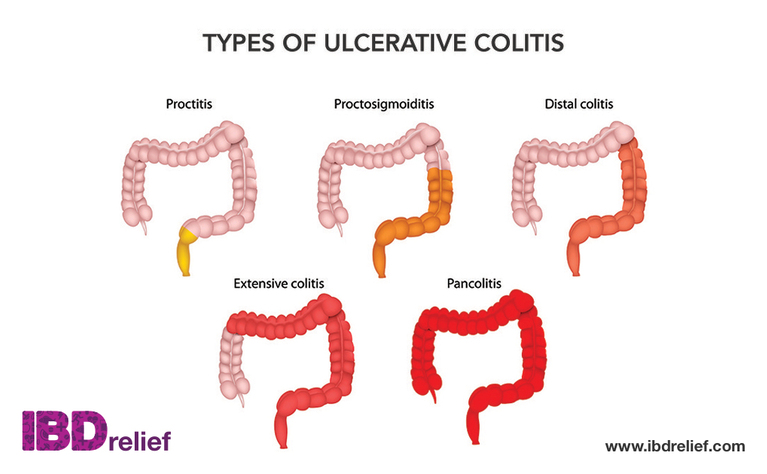
Ulcerative colitis is a type of inflammatory bowel disease (IBD) that causes inflammation and sores, called ulcers, in part of the digestive tract. Ulcerative colitis (UL-sur-uh-tiv koe-LIE-tis) affects the innermost lining of the large intestine, called the colon, and rectum. Symptoms usually develop over time, rather than coming on suddenly.
Ulcerative colitis can weaken the body and can sometimes lead to life-threatening complications. While it has no known cure, treatment can greatly reduce and relieve symptoms of the disease. It also may bring about long-term remission.
Symptoms
- Diarrhea, often with blood or pus
- Rectal bleeding
- Belly pain and cramping
- Rectal pain
- Urgency to pass stool
- Not being able to pass stool
- Weight loss
- Fatigue
- Fever
- In children, failure to grow
Cause
The exact cause of ulcerative colitis isn’t known. Previously, diet and stress were suspected, but now healthcare professionals know that these factors may worsen but don’t cause ulcerative colitis. Possible causes may include Immune system issue. One possible cause is an immune system malfunction. When the immune system tries to fight off an invading virus or bacterium, an irregular immune response causes the immune system to attack the cells in the digestive tract too. Genetic traits. Several genetic markers have been associated with ulcerative colitis. Heredity also seems to play a role in that the condition is more common in people who have family members with the disease.
Risk Factors
Ulcerative colitis affects about the same number of women and men. Risk factors may include Age. Ulcerative colitis usually begins before the age of 30. But it can occur at any age, and some people may not develop the disease until after age 60. Race or ethnicity. Although white people have the highest risk of the disease, ulcerative colitis can happen in any race. The risk is even higher for those of Ashkenazi Jewish descent. Family history. You’re at higher risk if you have a close relative, such as a parent, sibling or child, with the disease.
When to see a Doctor
See a healthcare professional if you notice a lasting change in your bowel habits or if you have symptoms such as Belly pain. Blood in the stool. Ongoing diarrhea that doesn’t respond to nonprescription medicines. Diarrhea that awakens you from sleep. An unexplained fever lasting more than a day or two. Although ulcerative colitis usually isn’t fatal, it’s a serious disease that, in some cases, may cause life-threatening complications.