
Tuberculosis
What is Tuberculosis ?
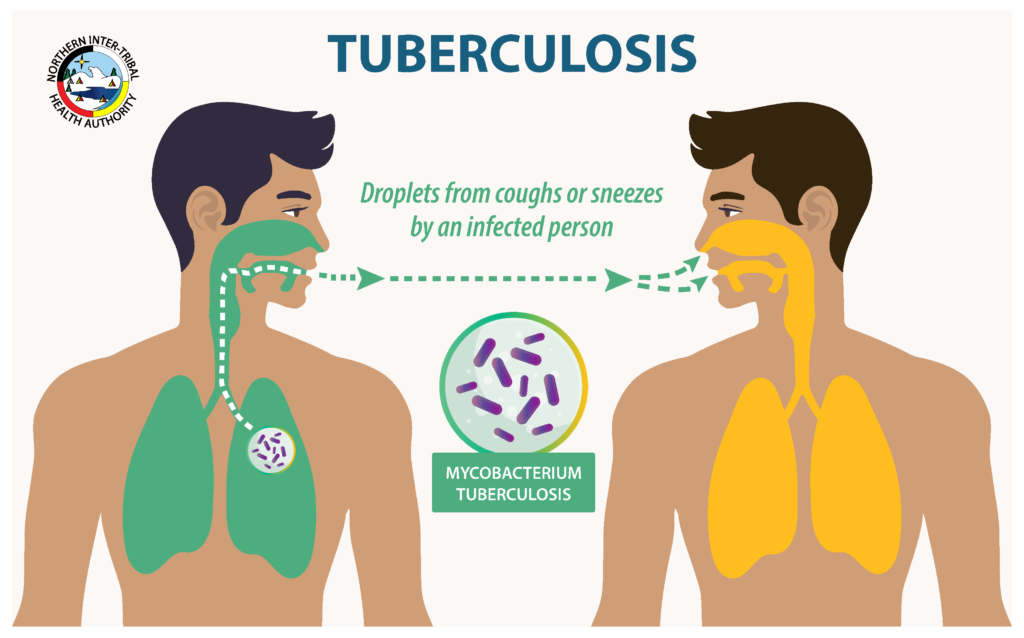
Tuberculosis, also called TB, is a serious illness that mainly affects the lungs. The germs that cause tuberculosis are a type of bacteria. Tuberculosis can spread when a person with the illness coughs, sneezes, or sings. This can put tiny droplets with the germs into the air. Another person can then breathe in the droplets, and the germs enter the lungs.
Tuberculosis spreads easily where people gather in crowds or where people live in crowded conditions. People with HIV/AIDS and other people with weakened immune systems have a higher risk of catching tuberculosis than people with a typical immune system. Medicines called antibiotics can treat tuberculosis. But some forms of the bacteria no longer respond well to treatments.
Symptoms
- Cough
- Coughing up blood or mucus
- Chest pain
- Pain with breathing or coughing
- Fever
- Chills
- Night sweats
- Weight loss
- Not wanting to eat
- Tiredness
- Not feeling well in general
- Fatigue or weakness
Cause
Mycobacterium tuberculosis bacteria cause TB. The germs spread through the air and can infect your lungs when you breathe them in. Sometimes, they also infect other parts of your body. The most common type of TB is pulmonary (lung) tuberculosis. But the bacterium can also affect other parts of your body (extrapulmonary tuberculosis). You might also hear about miliary tuberculosis, which can spread throughout your body and cause meningitis, an inflammation of the lining of your brain. Pott’s disease, also called spinal tuberculosis or tuberculosis spondylitis. Addison’s disease, an adrenal gland condition. Hepatitis, liver inflammation. Scrofula, swollen lymph nodes in your neck.
Risk Factors
You might be at a higher risk for TB exposure if you are a resident or employee in group settings where TB can spread, such as jails, hospices, skilled nursing facilities, shelters and other healthcare facilities. Work in a mycobacteriology laboratory. Have lived in a region where TB is common, like Latin America, the Caribbean, Africa, Asia, Eastern Europe and Russia. Have been in contact with someone who’s known or suspected to have TB disease. You might be at a higher risk for getting active TB if you inject intravenous drugs. Have an immature, impaired or weakened immune system (including babies and children). Have kidney disease, diabetes or other chronic (long-term) illness. Have received an organ transplant. Are on chemotherapy treatment for cancer.
When to see a Doctor
See your doctor if you have a fever, unexplained weight loss, drenching night sweats, or a persistent cough. These are often indications of TB but can also result from other conditions. Also, see your doctor if you think you’ve been exposed to TB.