
Stress Fracture
What is Stress Fracture ?
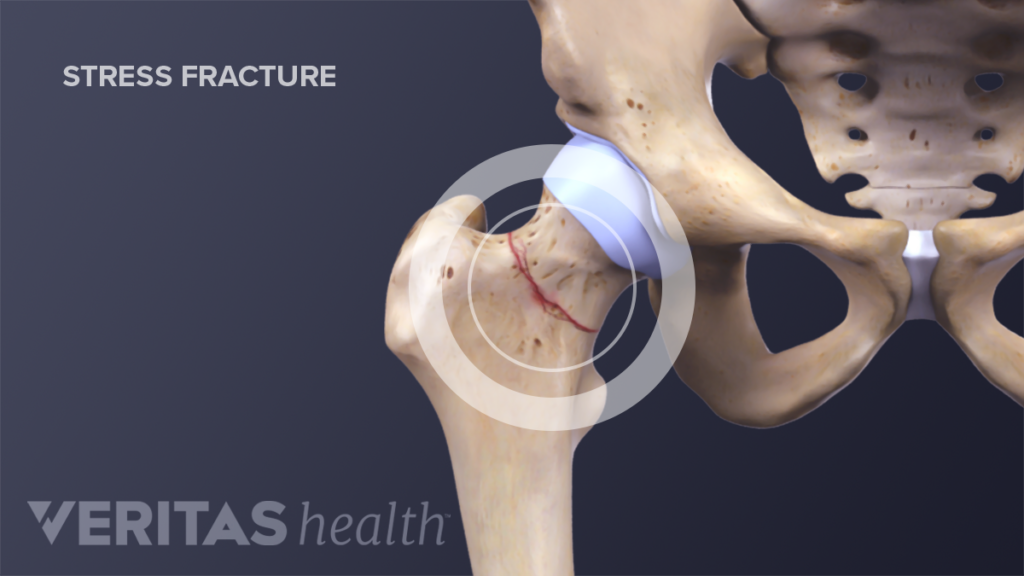
Stress fractures are tiny cracks in a bone. Repeated stress to the bone causes them. The stress often comes from using the same body part too much. Some examples include jumping up and down a lot or running long distances. Stress fractures can also happen with regular use of a bone that’s weaker due to a condition such as osteoporosis.
Stress fractures are most common in the weight-bearing bones of the lower leg and foot. People at highest risk of this injury include runners and gymnasts. Military recruits who carry heavy packs over long distances also have a high risk. But anyone can get a stress fracture. You might get this injury if you start a new exercise program or sport, and you do too much too soon.
Symptoms
- Pain that starts and gets worse during physical activity
- Pain that doesn’t get better after stopping activity
- Pain that’s more noticeable when you’re resting
- Tenderness to even a light touch near your affected bone
- Swelling
- Bruising
- Difficulty walking or moving the affected limb
- Pain that worsens when hopping
- Continual pain during physical activity and afterward
- Pain at the fracture point
Cause
Stress fractures often happen when you increase the amount or intensity of an activity too fast. Bone can adapt to greater amounts of stress, but it needs time to do so. During a lifelong process called remodeling, old bone tissue is destroyed and then rebuilt. This process speeds up when the weight-bearing load on the bone increases. The risk of a stress fracture rises when a bone bears an unusual amount of force without enough time to recover. Bone tissue is destroyed faster than the body can replace it.
Risk Factors
Factors that can raise your risk of stress fractures include: Specific sports. Stress fractures are more common in people who do activities that put a high level of repetitive stress on joints. These include track and field, cross-country running, basketball, tennis, dance, and gymnastics. More activity. Stress fractures often happen in people who suddenly shift from an inactive lifestyle to a training routine. People who quickly raise the intensity, length, or number of training sessions they do also put themselves at risk. Female sex. Athletes who were born female seem to have a higher risk of stress fractures than those born male. The higher risk may be linked to not getting enough nutrition to support training demands. This can result in irregular menstrual periods and a condition that involves thinning bones, called osteoporosis. Sometimes, eating disorders such as anorexia and bulimia can also play a role. Foot problems. People who have flat feet or high, rigid arches are more likely to get stress fractures. Worn footwear often contributes to the problem. Weakened bones. Conditions such as osteoporosis can weaken bones and make it easier for stress fractures to happen. Past stress fractures. Having had one or more stress fractures puts you at higher risk of having more. Lack of nutrients. Eating disorders and a lack of vitamin D and calcium can make bones more likely to develop stress fractures.
When to see a Doctor
Call your doctor if you have ongoing pain. Get help as soon as possible if you feel pain even when resting or at night. When people with stress fractures get treatment early, they’re more likely to recover faster. And they’re less likely to have complications.