
Shingles
What is Shingles ?
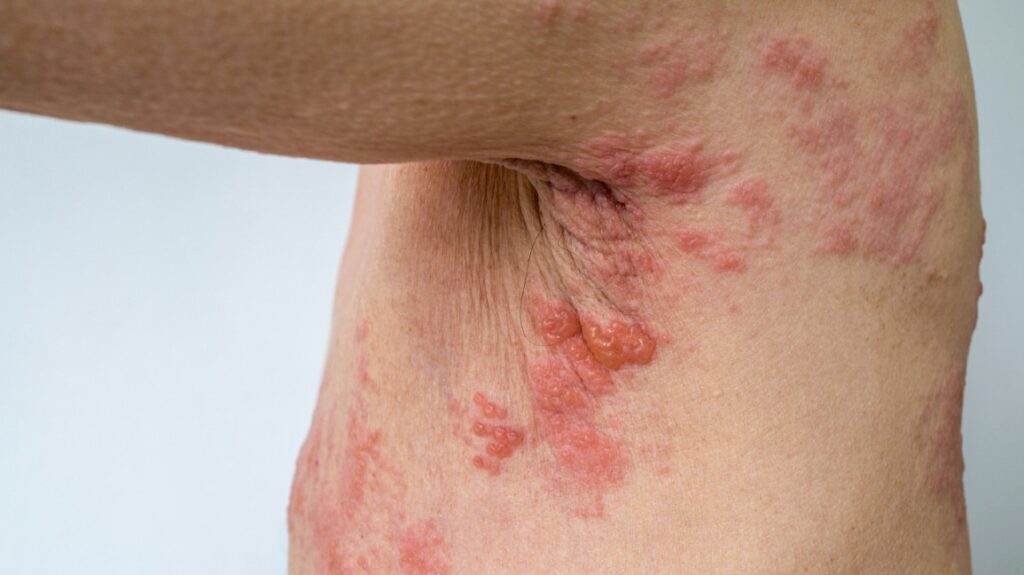
Shingles is a viral infection that causes a painful rash. Shingles can occur anywhere on your body. It typically looks like a single stripe of blisters that wraps around the left side or the right side of your torso. Shingles is caused by the varicella-zoster virus — the same virus that causes chickenpox. After you’ve had chickenpox, the virus stays in your body for the rest of your life. Years later, the virus may reactivate as shingles.
Shingles isn’t life-threatening. But it can be very painful. Vaccines can help lower the risk of shingles. Early treatment may shorten a shingles infection and lessen the chance of complications. The most common complication is postherpetic neuralgia. This is a painful condition that causes shingles pain for a long time after your blisters have cleared.
Symptoms
- Pain, burning or tingling
- Sensitivity to touch
- A red rash that begins a few days after the pain
- Fluid-filled blisters that break open and crust over
- Itching
- Feeling tired
- Fever
- Headache
- Sensitivity to light
- Fatigue
- Chills
- Stomach upset
Cause
Shingles is caused by the varicella-zoster virus — the same virus that causes chickenpox. Anyone who’s had chickenpox may develop shingles. After you recover from chickenpox, the virus enters your nervous system and stays inactive for years. Sometimes the virus reactivates and travels along nerve pathways to your skin, producing shingles. But not everyone who’s had chickenpox will develop shingles. The reason for shingles is unclear. It may be due to lowered immunity to infections as people get older. Shingles is more common in older adults and in people who have weakened immune systems. Varicella-zoster is part of a group of viruses called herpes viruses. This is the same group that includes the viruses that cause cold sores and genital herpes. As a result, shingles is also known as herpes zoster. But the virus that causes chickenpox and shingles isn’t the same virus that causes cold sores or genital herpes, which is a sexually transmitted infection.
Risk Factors
Anyone who has ever had chickenpox can develop shingles. Most adults in the United States had chickenpox when they were children. That was before the availability of the routine childhood vaccination that now protects against chickenpox. Factors that may increase your risk of developing shingles include Age. The risk of developing shingles increases with age. Shingles typically occurs in people older than 50. And people over the age of 60 are more likely to experience more-severe complications. Some diseases. Diseases that weaken your immune system, such as HIV/AIDS and cancer, can increase your risk of shingles. Cancer treatments. Radiation or chemotherapy can lower your resistance to diseases and may trigger shingles. Some medications. Drugs that prevent rejection of transplanted organs can increase your risk of shingles. Long-term use of steroids, such as prednisone, may also increase your risk of developing shingles.
When to see a Doctor
Contact your health care provider as soon as possible if you suspect shingles, especially in the following situations. The pain and rash occur near an eye. If left untreated, this infection may lead to permanent eye damage. You’re 50 or older. Age increases your risk of complications. You or someone in your family has a weakened immune system. This may be due to cancer, medications or chronic illness. The rash is widespread and painful.