
Septic Arthritis
What is Septic Arthritis ?
Septic arthritis is a painful infection in a joint that can come from germs that travel through your bloodstream from another part of your body. Septic arthritis can also occur when a penetrating injury, such as an animal bite or trauma, delivers germs directly into the joint.
Infants and older adults are most likely to develop septic arthritis. People who have artificial joints are also at risk of septic arthritis. Knees are most commonly affected, but septic arthritis can also affect hips, shoulders, and other joints. The infection can quickly and severely damage the cartilage and bone within the joint, so prompt treatment is crucial. Treatment involves draining the joint with a needle or during surgery. Antibiotics are also usually needed.
Symptoms
- Experiencing pain
- Tenderness in your affected joint
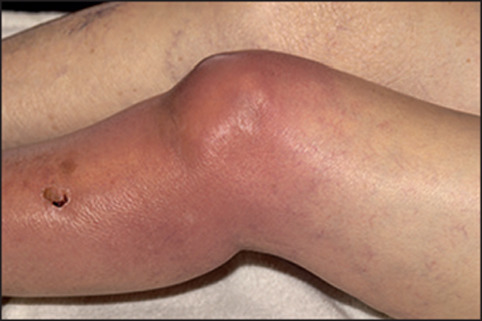
- Swelling
- Warmth at your affected joint
- Having limited range of motion in your affected joint
- Not wanting to use or move your affected joint
- Having a fever
- The pain goes away when at rest
- Fatigue
- Weakness
- Irritability
- Loss of appetite
Cause
Septic arthritis can be caused by bacterial, viral, or fungal infections. Bacterial infection with Staphylococcus aureus (Staph) is the most common cause. Staph commonly lives on even healthy skin. Septic arthritis can develop when an infection, such as a skin infection or urinary tract infection, spreads through your bloodstream to a joint. Less commonly, a puncture wound, drug injection, or surgery in or near a joint — including joint replacement surgery — can give the germs entry into the joint space. The lining of your joints has little ability to protect itself from infection. Your body’s reaction to the infection, including inflammation that can increase pressure and reduce blood flow within the joint, contributes to the damage.
Risk Factors
Risk factors for septic arthritis include: Existing joint problems. Chronic diseases and conditions that affect your joints, such as osteoarthritis, gout, rheumatoid arthritis, or lupus, can increase your risk of septic arthritis, as can previous joint surgery and joint injury. Having an artificial joint. Bacteria can be introduced during joint replacement surgery, or an artificial joint may become infected if germs travel to the joint from a different area of the body through the bloodstream. Taking medications for rheumatoid arthritis. People with rheumatoid arthritis have a further increase in risk because of medications they take that can suppress the immune system, making infections more likely to occur. Diagnosing septic arthritis in people with rheumatoid arthritis is difficult because many of the signs and symptoms are similar. Skin fragility. Skin that breaks easily and heals poorly can give bacteria access to your body. Skin conditions such as psoriasis and eczema increase your risk of septic arthritis, as do infected skin wounds. People who regularly inject drugs also have a higher risk of infection at the site of injection. Weak immune system. People with a weak immune system are at greater risk of septic arthritis. This includes people with diabetes, kidney and liver problems, and those taking drugs that suppress their immune systems. Joint trauma. Animal bites, puncture wounds, or cuts over a joint can put you at risk of septic arthritis. Having a combination of risk factors puts you at greater risk than having just one risk factor does.
When to see a Doctor
See your doctor if you have severe pain in a joint that comes on suddenly. Prompt treatment can help minimize joint damage. If you have an artificial joint, see your doctor if you experience pain while using the joint.