
Scleroderma
What is Scleroderma ?
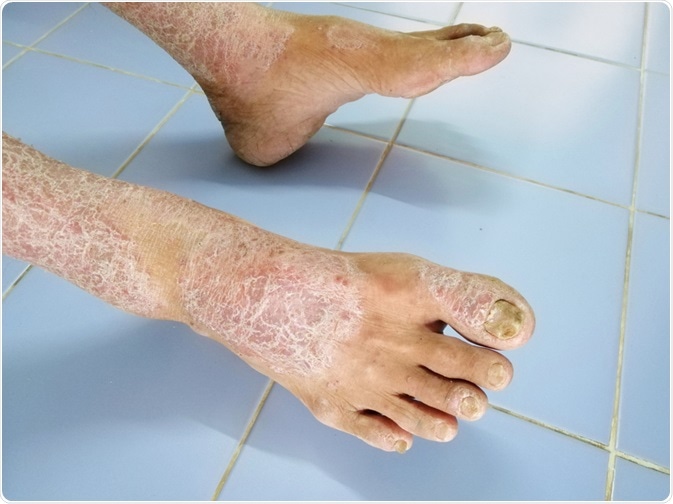
Scleroderma (sklair-oh-DUR-muh), also known as systemic sclerosis, is a group of rare diseases that involve the hardening and tightening of the skin. Scleroderma may also cause problems in the blood vessels, internal organs, and digestive tract.
Scleroderma is often categorized as limited or diffuse, which refers only to the degree of skin involvement. Both types can involve any of the other vascular or organ symptoms that are part of the disease. Localized scleroderma, also known as morphea, affects only the skin. While there is no cure for scleroderma, treatments can ease symptoms, slow progression, and improve quality of life.
Symptoms
- Hardening of the skin
- Small red spots, called telangiectasia
- Heartburn
- Difficulty swallowing
- Bloating
- Diarrhea
- Constipation
- Fecal incontinence
- Shortness of breath
- Dizziness
Cause
Scleroderma happens when the body produces too much collagen, and it builds up in the body tissues. Collagen is a fibrous type of protein that makes up the body’s connective tissues, including the skin. Experts don’t know exactly what causes this process to begin, but the body’s immune system appears to play a role. Most likely, scleroderma is caused by a combination of factors, including immune system problems, genetics, and environmental triggers.
Risk Factors
Anyone can get scleroderma, but it is more common in people assigned female at birth. People typically get scleroderma between the ages of 30 and 50. Black people often have an earlier onset and are more likely to have more skin involvement and lung disease. Several other combined factors appear to influence the risk of having scleroderma: Genetics. People who have certain gene changes appear to be more likely to develop scleroderma. This may explain why scleroderma appears to run in families in a small number of people and why some types of scleroderma are more common among people in certain racial and ethnic groups. Environmental triggers. Research suggests that in some people, scleroderma symptoms may be triggered by exposure to certain viruses, medicines, or drugs. Repeated exposure, such as at work, to certain harmful substances or chemicals, also may increase the risk of scleroderma. An environmental trigger is not identified for most people. Immune system conditions. Scleroderma is believed to be an autoimmune disease. This means that it occurs in part because the body’s immune system begins to attack the connective tissues. People who have scleroderma may also have symptoms of another autoimmune disease, such as rheumatoid arthritis, lupus, or Sjögren syndrome.
When to see a Doctor
If you experience sudden, intense pain in a joint, call your doctor. Gout that goes untreated can lead to worsening pain and joint damage. Seek medical care immediately if you have a fever and a joint is hot and inflamed, which can be a sign of infection.