
Rubella
What is Rubella ?
Rubella is a contagious viral infection best known by its distinctive red rash. It’s also called German measles or three-day measles. This infection may cause mild or no symptoms in most people. However, it can cause serious problems for unborn babies whose mothers become infected during pregnancy. Rubella isn’t the same as measles, but the two illnesses share some signs and symptoms, such as the red rash. Rubella is caused by a different virus than measles, and rubella isn’t as infectious or as severe as measles.
The measles-mumps-rubella (MMR) vaccine is safe and highly effective in preventing rubella. The vaccine provides lifelong protection against rubella. In many countries, rubella infection is rare or even nonexistent. However, because the vaccine isn’t used everywhere, the virus still causes serious problems for babies whose mothers are infected during pregnancy.
Symptoms
- Rash
- Low fever
- Cough
- Sore throat
- Runny nose
- Itchy eyes
- Headache
- Pink eye
- Joint pain
- Stuffy nose
- Generally feeling unwell
- Swollen lymph nodes
Cause
Rubella is caused by a virus that’s passed from person to person. It can spread when an infected person coughs or sneezes. It can also spread by direct contact with infected mucus from the nose and throat. It can also be passed on from pregnant women to their unborn children through the bloodstream. A person who has been infected with the virus that causes rubella is contagious for about one week before the onset of the rash until about one week after the rash disappears. An infected person can spread the illness before the person realizes he or she has it. Rubella is rare in many countries because most children are vaccinated against the infection at an early age. In some parts of the world, the virus is still active. This is something to consider before going abroad, especially if you’re pregnant. Once you’ve had the disease, you’re usually permanently immune.
Risk Factors
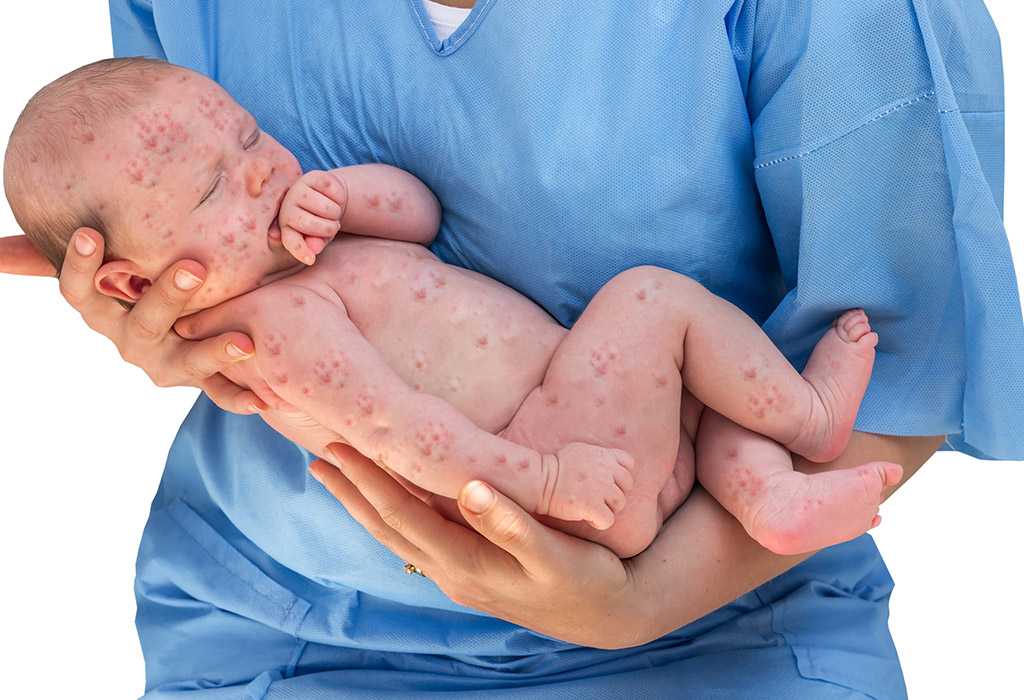
Anyone who is not vaccinated against rubella is at risk of getting rubella. Rubella is very dangerous during pregnancy and for developing babies. If you are pregnant and infected with rubella, you can pass rubella to your developing baby. When a baby is born with rubella, this is called congenital rubella syndrome (CRS). Rubella can cause a miscarriage or serious birth defects in a developing baby. CRS can affect almost everything in the developing baby’s body. Rubella spreads when an infected person coughs or sneezes. People can get the disease in other countries and bring it home. A person with rubella may spread the disease to others up to 1 week before the rash appears; they can remain contagious up to 7 days after. However, 25% to 50% of people with rubella do not develop any symptoms, but they can still spread it to others. If you are pregnant and infected with rubella, you can pass it to your developing baby, which can cause serious harm.
When to see a Doctor
Contact your health care provider if you think you or your child may have been exposed to rubella or if you notice the signs or symptoms that may be rubella. If you’re considering getting pregnant, check your vaccination record to make sure you’ve received your measles-mumps-rubella (MMR) vaccine. If you’re pregnant and you develop rubella, especially during the first trimester, the virus can cause death or serious birth defects in the developing fetus. Rubella during pregnancy is the most common cause of congenital deafness. It’s best to be protected against rubella before pregnancy. If you’re pregnant, you’ll likely undergo a routine screening for immunity to rubella. But if you’ve never received the vaccine and you think you might have been exposed to rubella, contact your health care provider immediately. A blood test might confirm that you’re already immune.