
Rickets
What is Rickets ?
Rickets is the softening and weakening of bones in children, often because of an extreme and prolonged vitamin D or calcium deficiency. Rare inherited problems can also cause rickets. Vitamin D helps a child’s body absorb calcium and phosphorus from food. Not enough vitamin D makes it hard to maintain proper calcium and phosphorus levels in bones, which can cause rickets.
Adding vitamin D or calcium to the diet generally corrects the bone problems associated with rickets. When rickets is due to another underlying medical problem, your child may need additional medicines or other treatment. Some skeletal deformities caused by rickets may require corrective surgery. Rare inherited disorders related to low levels of phosphorus, the other mineral component in bone, may require other medicines.
Symptoms
- Delayed growth
- Delayed motor skills
- Pain in the spine, pelvis and legs
- Muscle weakness
- Tight muscle tone
- Seizures
- Breathing sounds that are not regular
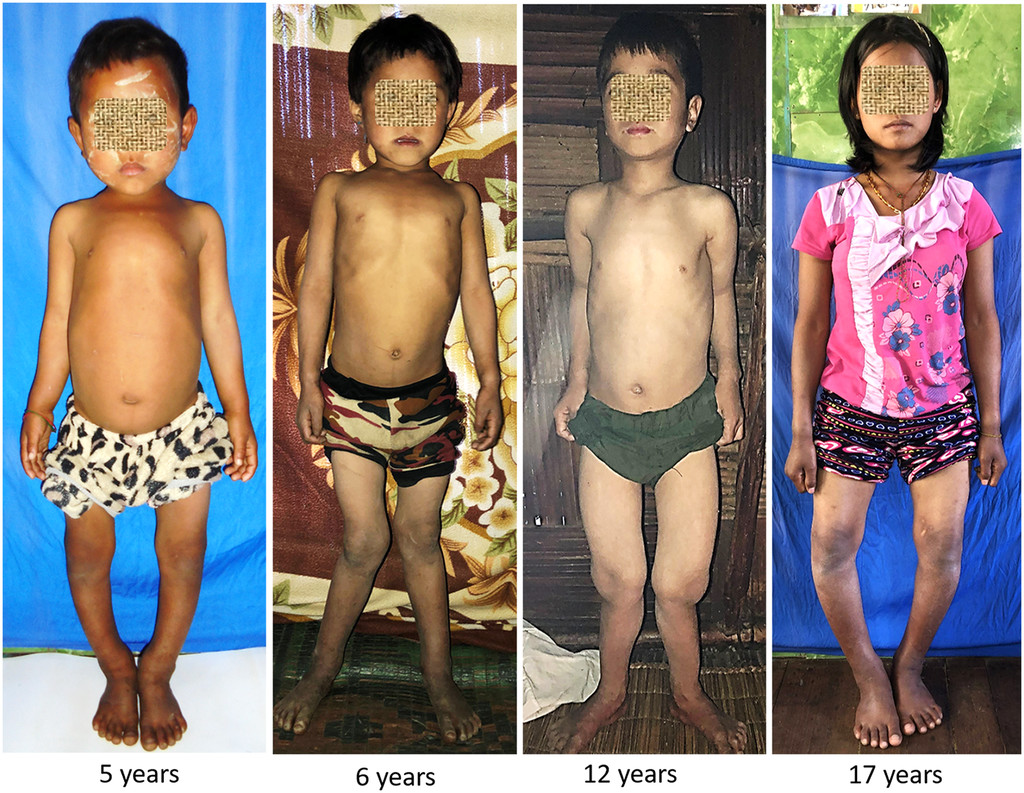
- Bowed legs or knock-knees
- Thickened wrists and ankles
- Breastbone projection
- Dental problems, like cavities
- Swelling of the ends of their ribs
Cause
Your child’s body needs vitamin D to absorb calcium and phosphorus from food. Rickets can occur if your child’s body doesn’t get enough vitamin D or has problems using vitamin D properly. Occasionally, not getting enough calcium or a lack of calcium and vitamin D can cause rickets. Children who don’t get enough vitamin D from these two sources can develop a deficiency: Sunlight. Your child’s skin produces vitamin D when it’s exposed to sunlight. But children in developed countries tend to spend less time outdoors. They are also more likely to use sunscreen, which blocks the sun’s rays that trigger the skin’s production of vitamin D. Food. Fish oil, egg yolks, and fatty fish such as salmon and mackerel contain vitamin D. Vitamin D also has been added to some foods and beverages, such as milk, cereal, and some fruit juices. Some children are born with or develop medical problems that affect the way their bodies absorb vitamin D. Some examples include celiac disease, inflammatory bowel disease, cystic fibrosis, and kidney problems.
Risk Factors
Factors that can increase a child’s risk of rickets include: Darker skin pigmentation. Brown or Black skin has more of the pigment melanin, which lowers the skin’s ability to produce vitamin D from sunlight. Mother’s vitamin D deficiency during pregnancy. A baby born to a mother with a serious vitamin D deficiency can be born with symptoms of rickets or develop them within a few months after birth. Northern latitudes. Children who live in geographical locations where there is less sunshine are at higher risk of rickets. Premature birth. Babies born before their due dates tend to have lower levels of vitamin D because they had less time to receive the vitamin from their mothers in the womb. Medicines. Certain types of anti-seizure medicines and antiretroviral medicines, used to treat HIV infections, appear to interfere with the body’s ability to use vitamin D. Exclusive breastfeeding. Breast milk doesn’t contain enough vitamin D to prevent rickets. Babies who are exclusively breastfed typically receive vitamin D drops.
When to see a Doctor
Talk to your healthcare professional if your child develops bone pain, muscle weakness or obvious skeletal deformities. If you are concerned your infant isn’t getting enough vitamin D, especially if they have risk factors for vitamin D deficiency such as darker skin pigmentation or exclusive breastfeeding, talk to your healthcare professional.