
Post Traumatic Stress Disorder
What is Post Traumatic Stress Disorder ?
Post-traumatic stress disorder (PTSD) is a mental health condition that’s caused by an extremely stressful or terrifying event, either being part of it or witnessing it. Symptoms may include flashbacks, nightmares, severe anxiety, and uncontrollable thoughts about the event.
Most people who go through traumatic events may have a hard time adjusting and coping for a short time. However, with time and proper care, they usually improve. If the symptoms get worse, last for months or years, and affect their ability to function daily, they may have PTSD. Getting treatment after PTSD symptoms arise can be very important to ease symptoms and help people function better.
Symptoms
- Unwanted, distressing memories of a traumatic event
- Reliving a traumatic event as if it were happening again
- Upsetting dreams or nightmares about a traumatic event
- Severe emotional distress or physical reactions
- Trying not to think or talk about a traumatic event
- Staying away from places, activities or people
- Negative thoughts about yourself
- Ongoing negative emotions
- Memory problems
- Feeling detached from family and friends
- Feeling emotionally numb
- Being easily startled or frightened
Cause
You can develop post-traumatic stress disorder when you go through, see, or learn about an event involving actual or threatened death, serious injury, or sexual assault. Healthcare professionals aren’t sure why some people get PTSD. As with most mental health problems, a mix of factors probably causes it, including extremely stressful experiences, as well as the amount and severity of trauma you’ve gone through in your life. Inherited mental health risks, such as a family history of anxiety and depression. Inherited features of your personality — often called your temperament. The way your brain regulates the chemicals and hormones your body releases in response to stress.
Risk Factors
People of all ages can have post-traumatic stress disorder. But you may be more likely to develop PTSD after a traumatic event if you have had severe or long-lasting traumatic experiences. Were physically injured during the traumatic event. Have been exposed to other trauma earlier in life, such as childhood abuse. Have a job that exposes you to traumatic events, such as being in the military or being a first responder. Have other mental health problems, such as anxiety or depression. Drink too much or misuse drugs. Do not have a good support system of family and friends. Have blood relatives with mental health problems, including PTSD or depression.
When to see a Doctor
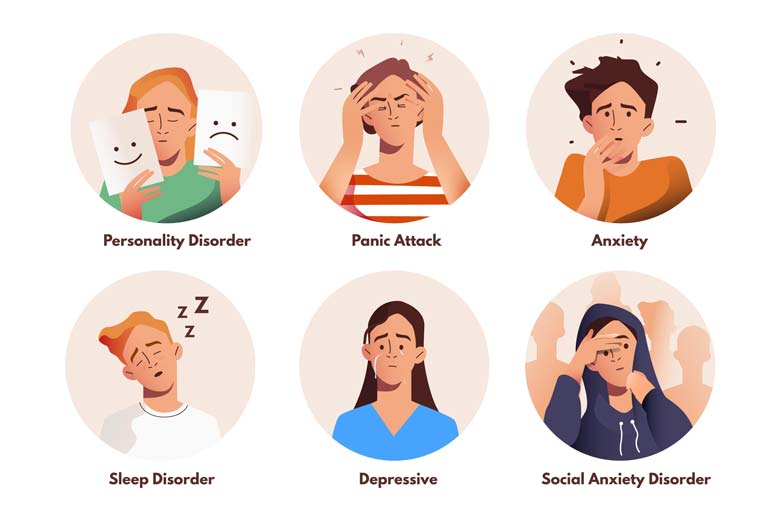
If you have disturbing thoughts and feelings about a traumatic event for more than a month, if they’re severe, or if you feel you’re having trouble getting your life back under control, talk to your doctor or a mental health professional. Getting treatment as soon as possible can help prevent PTSD symptoms from getting worse.