
Polycystic Ovary Syndrome
What is Polycystic Ovary Syndrome ?
Polycystic ovary syndrome (PCOS) is a problem with hormones that happens during the reproductive years. If you have PCOS, you may not have periods very often. Or you may have periods that last many days. You may also have too much of a hormone called androgen in your body.
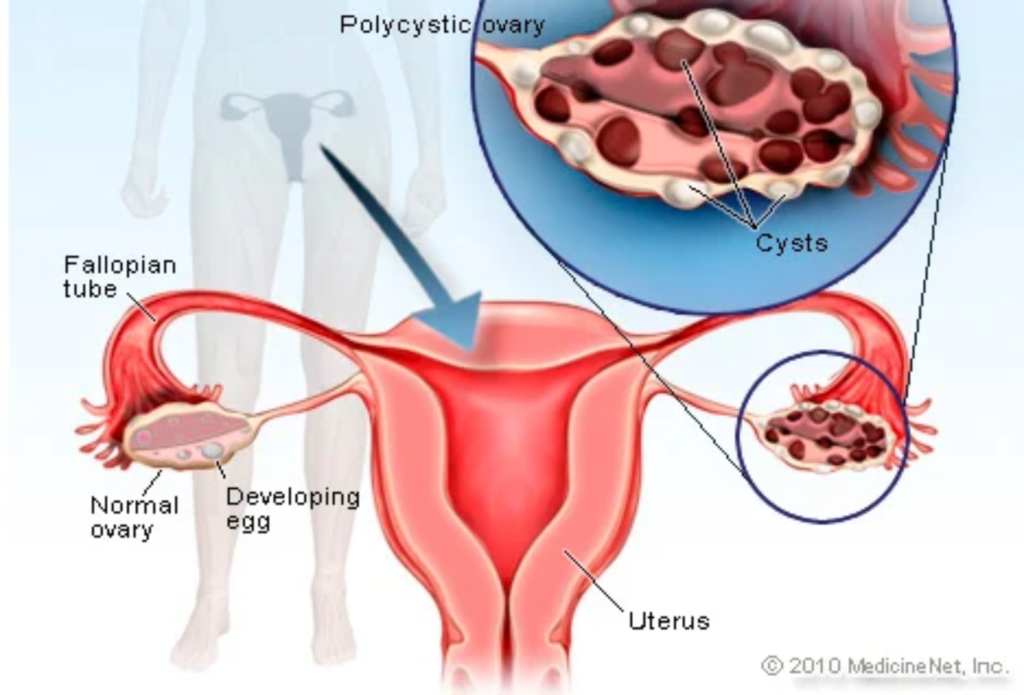
With PCOS, many small sacs of fluid develop along the outer edge of the ovary. These are called cysts. The small fluid-filled cysts contain immature eggs. These are called follicles. The follicles fail to regularly release eggs. The exact cause of PCOS is unknown. Early diagnosis and treatment along with weight loss may lower the risk of long-term complications such as type 2 diabetes and heart disease.
Symptoms
- Irregular periods
- Abnormal hair growth
- Acne
- Obesity
- Darkening of the skin
- Cysts
- Skin tags
- Thinning hair
- Infertility
- Excess androgen
Cause
The exact cause of PCOS isn’t known. Factors that might play a role include Insulin resistance, Insulin is a hormone that the pancreas makes. It allows cells to use sugar, your body’s primary energy supply. If cells become resistant to the action of insulin, then blood sugar levels can go up. This can cause your body to make more insulin to try to bring down the blood sugar level. Too much insulin might cause your body to make too much of the male hormone androgen. You could have trouble with ovulation, the process where eggs are released from the ovary. One sign of insulin resistance is dark, velvety patches of skin on the lower part of the neck, armpits, groin or under the breasts. A bigger appetite and weight gain may be other signs. Low-grade inflammation, White blood cells make substances in response to infection or injury. This response is called low-grade inflammation. Research shows that people with PCOS have a type of long-term, low-grade inflammation that leads polycystic ovaries to produce androgens. This can lead to heart and blood vessel problems. Heredity, Research suggests that certain genes might be linked to PCOS. Having a family history of PCOS may play a role in developing the condition. Excess androgen, With PCOS, the ovaries may produce high levels of androgen. Having too much androgen interferes with ovulation. This means that eggs don’t develop on a regular basis and aren’t released from the follicles where they develop. Excess androgen also can result in hirsutism and acne.
Risk Factors
Polycystic ovary syndrome (PCOS) risk factors include being overweight or obese is a significant risk factor for PCOS. Even moderate weight gain can increase your risk. Obesity can contribute to insulin resistance, a key factor in PCOS. PCOS is characterized by an imbalance of hormones, particularly an excess of androgens. High androgen levels can interfere with ovulation and lead to irregular menstrual cycles. Some women with PCOS also have lower levels of estrogen. Women with PCOS are at increased risk of developing other health conditions, such as type 2 diabetes, heart disease, and metabolic syndrome.
When to see a Doctor
See your health care provider if you’re worried about your periods, if you’re having trouble getting pregnant, or if you have signs of excess androgen. These might include new hair growth on your face and body, acne and male-pattern baldness.