
Paget Disease Of Bone
What is Paget Disease Of Bone ?
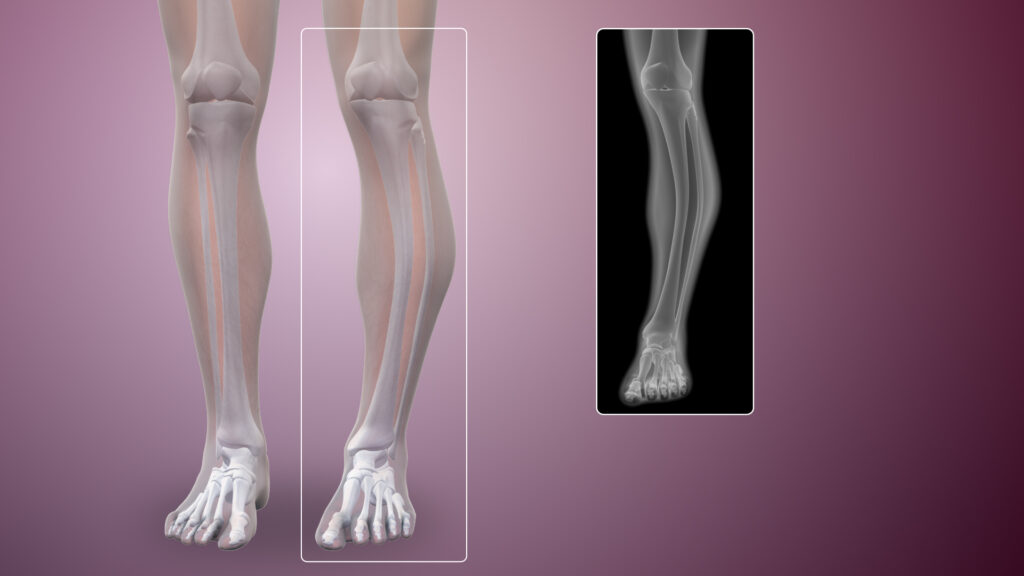
Paget’s (PAJ-its) disease of bone interferes with your body’s normal recycling process, in which new bone tissue gradually replaces old bone tissue. Over time, bones can become fragile and misshapen. The pelvis, skull, spine, and legs are most commonly affected.
The risk of Paget’s disease of bone increases with age and if family members have the disorder. However, for reasons unknown to doctors, the disease has become less common over the past several years and is less severe when it does develop. Complications can include broken bones, hearing loss, and pinched nerves in your spine. Bisphosphonates — the medications used to strengthen bones weakened by osteoporosis — are the mainstay of treatment. Surgery may be necessary if complications occur.
Symptoms
- Hip pain
- Hearing loss
- Headaches
- Pain, tingling and numbness in an arm or leg
- Weak bone
- Fatigue
- Bending bones
- Enlarged and misshapen bones in your legs
- Bone fractures
- Heart problems
- Enlarged skull bones
- Loss of appetite
Cause
The cause of Paget’s disease of bone is unknown. Scientists suspect a combination of environmental and genetic factors contributes to the disease. Several genes appear to be linked to getting the disease. Some scientists believe Paget’s disease of bone is related to a viral infection in your bone cells, but this theory is controversial.
Risk Factors
Factors that can increase your risk of Paget’s disease of bone include: Age. People older than 50 are most likely to develop the disease. Sex. Men are more commonly affected than women. National origin. Paget’s disease of bone is more common in England, Scotland, central Europe, and Greece, as well as countries settled by European immigrants. It’s uncommon in Scandinavia and Asia. Family history. If you have a relative who has Paget’s disease of bone, you’re more likely to develop the condition.
When to see a Doctor
Talk to your doctor if you have pain in your bones and joints, tingling and weakness in an extremity, bone deformities, or unexplained hearing loss, especially if it’s only on one side.