
Optic Neuritis
What is Optic Neuritis ?
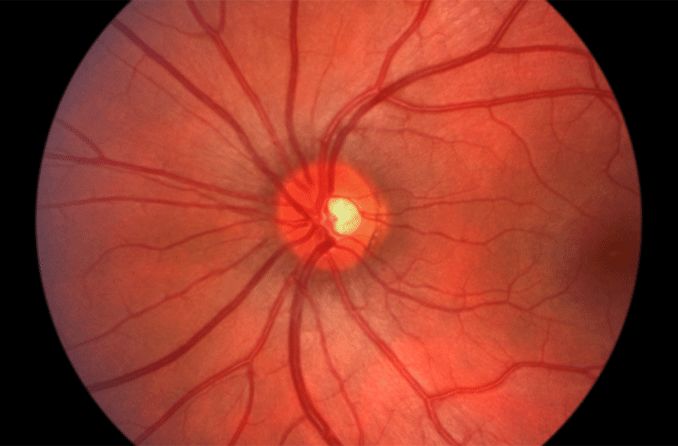
Optic neuritis occurs when swelling (inflammation) damages the optic nerve, a bundle of nerve fibers that transmits visual information from your eye to your brain. Common symptoms of optic neuritis include pain with eye movement and temporary vision loss in one eye. Signs and symptoms of optic neuritis can be the first indication of MS, or they can occur later in the course of MS. MS is a disease that causes inflammation and damage to nerves in your brain as well as the optic nerve.
Besides MS, optic nerve inflammation can occur with other conditions, including infections or immune diseases, such as lupus. Rarely, another disease called neuromyelitis optica causes inflammation of the optic nerve and spinal cord. Most people who have a single episode of optic neuritis eventually recover their vision without treatment. Sometimes steroid medications may speed the recovery of vision after optic neuritis.
Symptoms
- Pain
- Vision loss in one eye
- Visual field loss
- Loss of color vision
- Flashing lights
- Changes in pupil reaction to light
- Vision worsens with an increase in body temperature
- Inability to see out of one eye
- Vision that appears blurry
- Decreased ability to differentiate colors
Cause
The exact cause of optic neuritis is unknown. It’s believed to develop when the immune system mistakenly targets the substance covering your optic nerve, resulting in inflammation and damage to the myelin. Normally, the myelin helps electrical impulses travel quickly from the eye to the brain, where they’re converted into visual information. Optic neuritis disrupts this process, affecting vision. The following autoimmune conditions are often associated with optic neuritis. Multiple sclerosis. Multiple sclerosis is a disease in which your autoimmune system attacks the myelin sheath covering nerve fibers in your brain. In people with optic neuritis, the risk of developing multiple sclerosis after one episode of optic neuritis is about 50% over a lifetime. Your risk of developing multiple sclerosis after optic neuritis increases further if a magnetic resonance imaging (MRI) scan shows lesions on your brain. Neuromyelitis optica. In this condition, inflammation affects the optic nerve and spinal cord. Neuromyelitis optica has similarities to multiple sclerosis, but neuromyelitis optica doesn’t cause damage to the nerves in the brain as often as multiple sclerosis does. Still, neuromyelitis optica is more severe than multiple sclerosis (MS), often resulting in a diminished recovery after an attack compared with MS. Myelin oligodendrocyte glycoprotein (MOG) antibody disorder. This condition can cause inflammation to the optic nerve, spinal cord, or brain. Similar to MS and neuromyelitis optica, recurrent attacks of inflammation can occur. Recovery from MOG attacks is usually better than recovery from neuromyelitis optica.
Risk Factors
Risk factors for developing optic neuritis include Age. Optic neuritis most often affects adults aged 20 to 40. Sex. Women are much more likely to develop optic neuritis than men are. Race. Optic neuritis occurs more often in white people. Genetic mutations. Certain genetic mutations might increase your risk of developing optic neuritis or multiple sclerosis.
When to see a Doctor
Eye conditions can be serious. Some can lead to permanent vision loss, and some are associated with other serious medical problems. Contact your doctor if you develop new symptoms, your symptoms worsen, or you have unusual symptoms.