
Obsessive Compulsive Disorder
What is Obsessive Compulsive Disorder ?
Obsessive-compulsive disorder (OCD) features a pattern of unwanted thoughts and fears known as obsessions. These obsessions lead you to do repetitive behaviors, also called compulsions. These obsessions and compulsions get in the way of daily activities and cause a lot of distress.
Ultimately, you feel driven to do compulsive acts to ease your stress. Even if you try to ignore or get rid of bothersome thoughts or urges, they keep coming back. This leads you to act based on ritual. This is the vicious cycle of OCD. OCD often centers around certain themes, such as being overly fearful of getting contaminated by germs. To ease contamination fears, you may wash your hands over and over again until they’re sore and chapped. If you have OCD, you may be ashamed, embarrassed, and frustrated about the condition. But treatment can be effective.
Symptoms
- Fear of contamination or dirt
- Doubting and having a hard time dealing with uncertainty
- Needing things to be orderly and balanced
- Aggressive or horrific thoughts
- Unwanted thoughts, including aggression
- Fear of being contaminated by touching objects
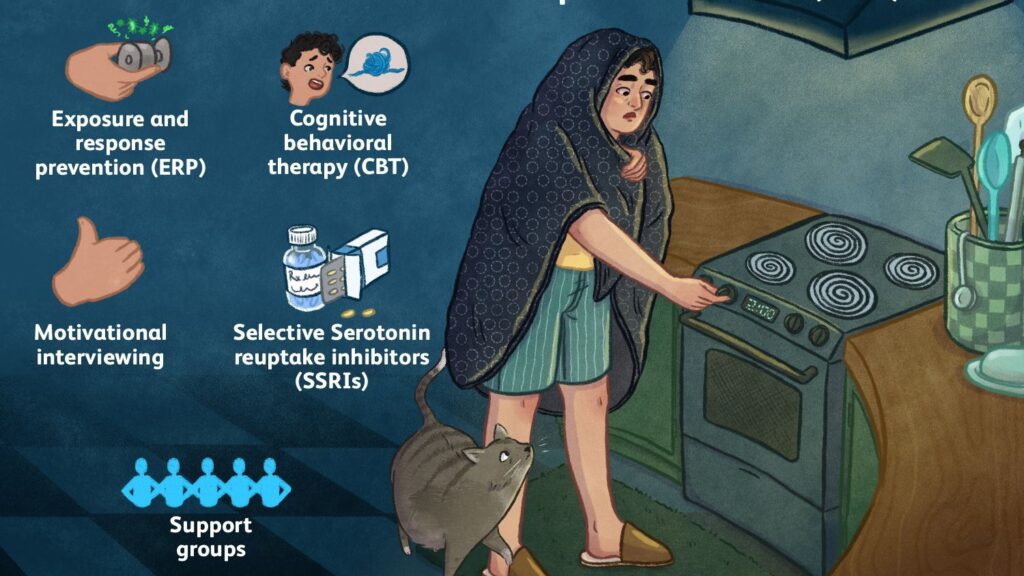
- Doubts that you've locked the door or turned off the stove
- Images of driving your car into a crowd of people
- Thoughts about shouting obscenities
- Unpleasant sexual images
Cause
The cause of obsessive-compulsive disorder isn’t fully understood. Main theories include: Biology. OCD may be due to changes in your body’s natural chemistry or brain functions. Genetics. OCD may have a genetic component, but specific genes have yet to be found. Learning. Obsessive fears and compulsive behaviors can be learned from watching family members or learning them over time.
Risk Factors
Factors that may raise the risk of causing obsessive-compulsive disorder include: Family history. Having parents or other family members with the disorder can raise your risk of getting OCD. Stressful life events. If you’ve gone through traumatic or stressful events, your risk may increase. This reaction may cause the intrusive thoughts, rituals, and emotional distress seen in OCD. Other mental health disorders. OCD may be related to other mental health disorders, such as anxiety disorders, depression, substance abuse, or tic disorders.
When to see a Doctor
There’s a difference between being a perfectionist — someone who needs flawless results or performance — and having OCD. OCD thoughts aren’t simply excessive worries about real issues in your life or a liking to have things clean or arranged in a specific way. If your obsessions and compulsions affect your quality of life, see your doctor or mental health professional.