
Metatarsalgia
What is Metatarsalgia ?
Glomerulonephritis (gloe-MER-u-loe-nuh-FRY-tis) is inflammation of the tiny filters in the kidneys (glomeruli). The excess fluid and waste that glomeruli (gloe-MER-u-lie) remove from the bloodstream exit the body as urine. Glomerulonephritis can come on suddenly (acute) or gradually (chronic).
Glomerulonephritis occurs on its own or as part of another disease, such as lupus or diabetes. Severe or prolonged inflammation associated with glomerulonephritis can damage the kidneys. Treatment depends on the type of glomerulonephritis you have.
Symptoms
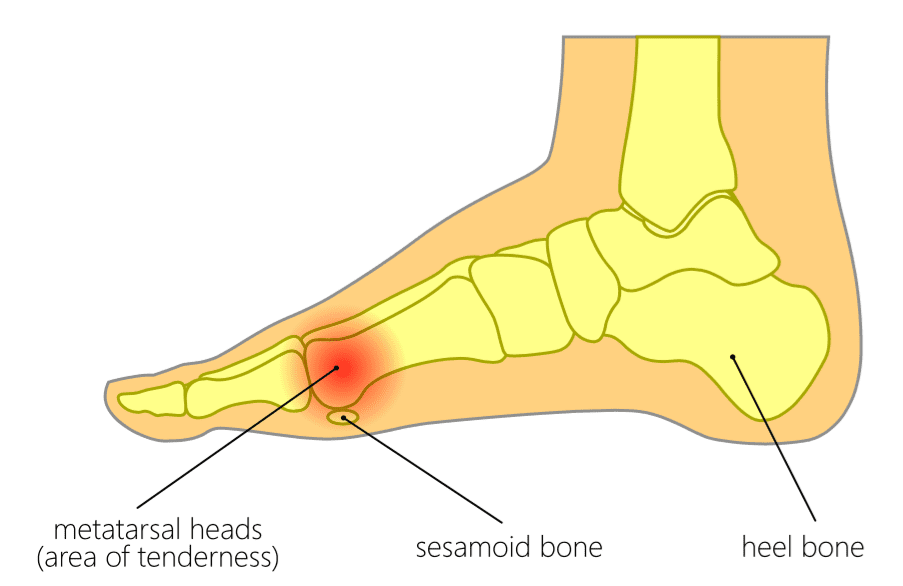
- Sharp, aching or burning pain in the ball of the foot
- Pain that gets worse
- Sharp or shooting pain in the toes
- Numbness or tingling in the toes
- A feeling of having a pebble in the shoe of the foot
- Worsening with activity
- Gradual onset
- Tenderness
- Increased pain when walking barefoot
- The pain may get worse when you stand, run or walk
Cause
Sometimes a single factor can lead to metatarsalgia. More often, several factors are involved, including hard training or activity. Distance runners are at risk of metatarsalgia. This is mainly because the front of the foot takes in a lot of force when a person runs. But anyone who does a high-impact sport is at risk. This is especially true if shoes fit poorly or are worn down. Certain foot shapes. A high arch can put extra pressure on the metatarsals. So can having a second toe that’s longer than the big toe. This causes more weight than usual to be shifted to the second metatarsal head. Toes that have different shapes. Wearing too-small shoes or high heels can cause feet and toes to change shape. A downward-curling toe, called a hammertoe, can cause metatarsalgia. So can swollen, painful bumps at the base of the big toes, called bunions. Excess weight. Most of the body’s weight goes to the forefoot while moving. So, extra pounds mean more pressure on the metatarsals. Losing weight might reduce or get rid of symptoms. High heels or poorly fitting shoes. High heels are a common cause of metatarsalgia. Wearing high heels puts extra weight on the front of the foot. Shoes with a narrow toe box or athletic shoes that don’t have enough support and padding can also be part of the problem. Stress fractures. Small breaks in the metatarsals or toe bones can be painful and change the way you put weight on your foot. Morton’s neuroma. This noncancerous growth of fibrous tissue around a nerve usually occurs between the third and fourth metatarsal heads. It causes symptoms that are like those of metatarsalgia. The growth can stress the metatarsal.
Risk Factors
Almost anyone can develop metatarsalgia, but you’re at higher risk if you do high-impact sports that involve running and jumping. Wear high heels, shoes that don’t fit well, or shoes with spikes, such as cleats. Are overweight or obese. Have other foot problems, including hammertoe and hard, thickened areas called calluses on the bottom of the feet. Have inflammatory arthritis, such as rheumatoid arthritis or gout.
When to see a Doctor
Not all foot problems need medical care. Sometimes feet ache after a long day of standing or a hard workout. But it’s best to act on foot pain that lasts more than a few days. Talk to your health care professional if you have a burning pain in the ball of your foot that doesn’t improve after changing your shoes and your activities.