
Influenza (Flu)
What is Influenza (Flu) ?
Flu, also called influenza, is an infection of the nose, throat and lungs, which are part of the respiratory system. The flu is caused by a virus. Influenza viruses are different from the “stomach flu” viruses that cause diarrhea and vomiting.
Most people with the flu get better on their own. But sometimes, influenza and its complications can be deadly. To help protect against seasonal flu, you can get an annual flu shot. Although the vaccine isn’t 100% effective, it lowers the chances of having severe complications from the flu. This is especially true for people who are at high risk of flu complications. Aside from the vaccine, you can take other steps to help prevent infection with the flu. You can clean and disinfect surfaces, wash hands, and keep the air around you moving.
Symptoms
- Fever
- Aching muscles
- Chills and sweats
- Headache
- Dry, persistent cough
- Shortness of breath
- Tiredness and weakness
- Runny or stuffy nose
- Sore throat
- Eye pain
- Vomiting
- Diarrhea
Cause
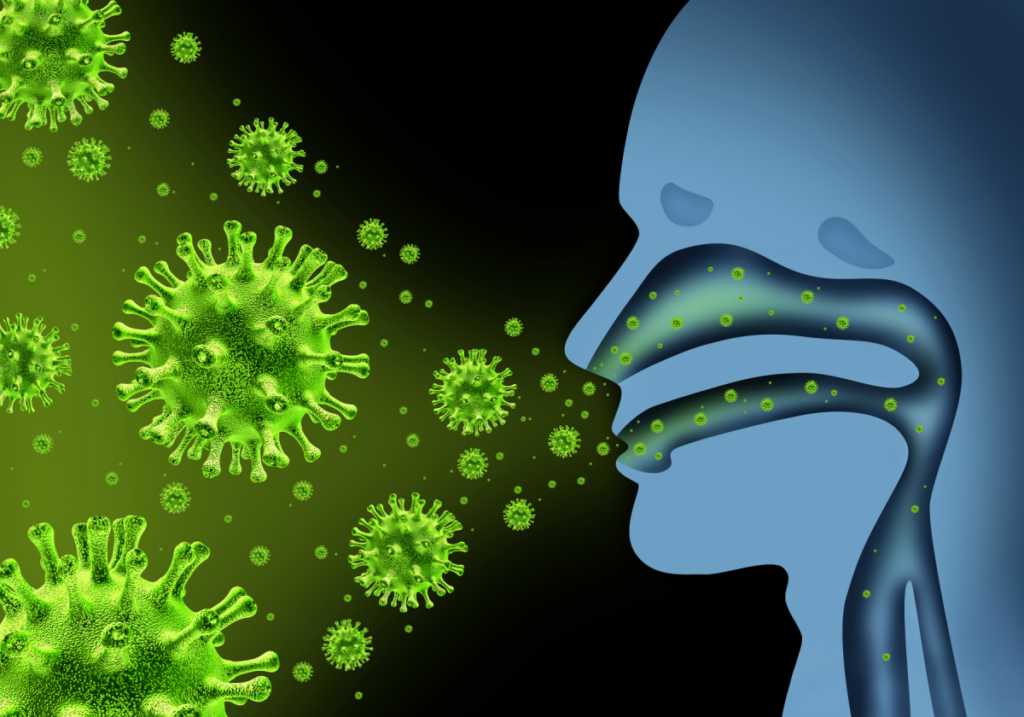
Influenza is caused by viruses. These viruses travel through the air in droplets when someone with the infection coughs, sneezes or talks. You can inhale the droplets directly. Or you can pick up the virus from touching an object, such as a computer keyboard, and then touching your eyes, nose or mouth. It’s possible to spread the virus to others from about a day before symptoms appear until about 5 to 7 days after they start. This is called being contagious. Children and people with weakened immune systems may be contagious for a slightly longer time. Influenza viruses are constantly changing, with new strains appearing often. A person’s first flu infection gives some long-term protection against similar strains of flu. But the vaccines offered each year are made to match the flu virus strains that are most likely to spread that season. The protection these vaccines offer lasts for months in most people.
Risk Factors
There are a range of factors that may raise your risk of catching a flu virus or having complications from a flu infection. Seasonal influenza tends to have worse outcomes in young children, especially those age 2 years and younger. Adults older than age 65 also tend to have worse outcomes. People who live in facilities with many other residents, such as nursing homes, are more likely to get the flu. An immune system that doesn’t quickly clear out flu virus may raise the risk of getting the flu or getting flu complications. People may have a weakened immune system response from birth, due to illness, or due to disease treatment or medicine. Chronic conditions may increase the risk of influenza complications. Examples include asthma and other lung diseases, diabetes, heart disease, nervous system diseases, previous history of stroke, metabolic disorders, problems with the airway, and kidney, liver or blood disease. In the United States, people who are Native American or Alaska Native, Black, or Latino may have a higher risk of needing care in the hospital for influenza. Young people on long-term aspirin therapy are at risk of developing Reye’s syndrome if infected with the influenza virus. Pregnant people are more likely to develop influenza complications, particularly in the second and third trimesters. People with a body mass index (BMI) of 40 or higher have an increased risk of flu complications.
When to see a Doctor
Most people who get the flu can manage it at home and often don’t need to see a healthcare professional. If you have flu symptoms and are at risk of complications, see your healthcare professional right away. Starting antiviral medicine within two days after your symptoms show up may shorten the length of your illness and help prevent more-serious problems. If you have emergency symptoms of the flu, get medical care right away.