
Hyperthyroidism
What is Hyperthyroidism ?
Hyperthyroidism happens when the thyroid gland makes too much thyroid hormone. This condition also is called overactive thyroid. Hyperthyroidism speeds up the body’s metabolism. That can cause many symptoms, such as weight loss, hand tremors, and rapid or irregular heartbeat.
Several treatments are available for hyperthyroidism. Anti-thyroid medicines and radioiodine can be used to slow the amount of hormones the thyroid gland makes. Sometimes, hyperthyroidism treatment includes surgery to remove all or part of the thyroid gland. In some cases, depending on what’s causing it, hyperthyroidism may improve without medication or other treatment.
Symptoms
- Losing weight without trying
- Fast heartbeat
- Irregular heartbeat
- Pounding of the heart
- Increased hunger
- Nervousness, anxiety and irritability
- Tremor
- Sweating
- Changes in menstrual cycles
- Increased sensitivity to heat
- Tiredness
- Muscle weakness
- Sleep problems
- Warm, moist skin
Cause
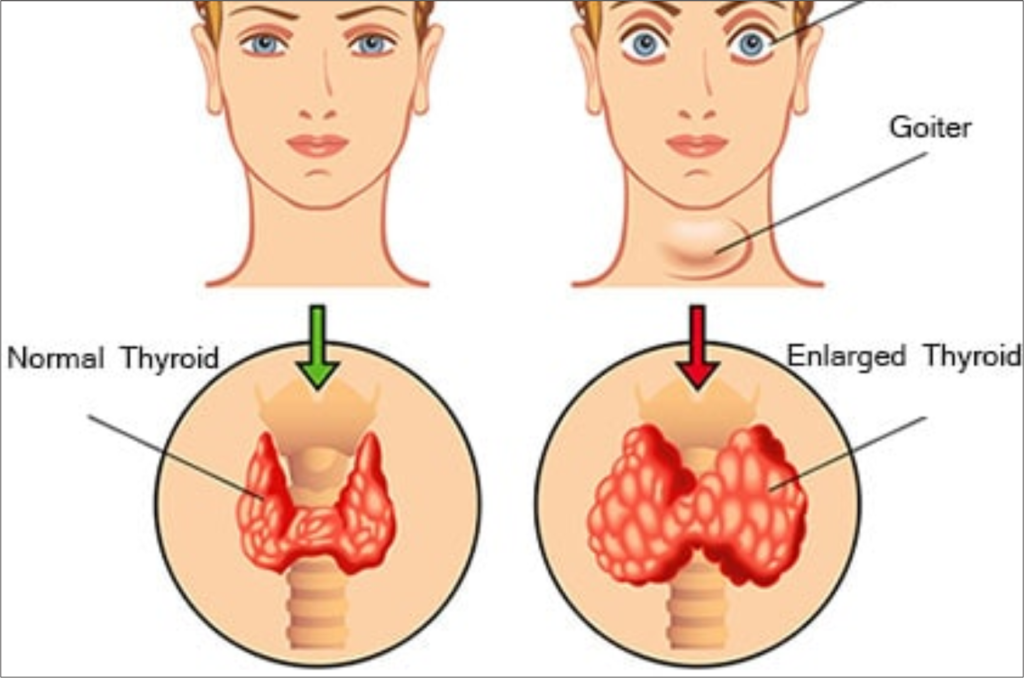
Hyperthyroidism can be caused by several medical conditions that affect the thyroid gland. The thyroid is a small, butterfly-shaped gland at the base of the neck. It has a big impact on the body. Every part of metabolism is controlled by hormones that the thyroid gland makes. The thyroid gland produces two main hormones: thyroxine (T-4) and triiodothyronine (T-3). These hormones affect every cell in the body. They support the rate at which the body uses fats and carbohydrates. They help control body temperature. They have an effect on heart rate. And they help control how much protein the body makes. Hyperthyroidism happens when the thyroid gland puts too much of those thyroid hormones into the bloodstream.
Risk Factors
Risk factors for hyperthyroidism include a family history of thyroid disease, particularly Graves’ disease. A personal history of certain chronic illnesses, including pernicious anemia and primary adrenal insufficiency. A recent pregnancy, which raises the risk of developing thyroiditis. This can lead to hyperthyroidism.
When to see a Doctor
If you lose weight without trying, or if you notice a rapid heartbeat, unusual sweating, swelling at the base of your neck or other symptoms of hyperthyroidism, make an appointment with your health care provider. Tell your provider about all the symptoms you’ve noticed even if they are minor. After a diagnosis of hyperthyroidism, most people need regular follow-up visits with their health care provider to monitor the condition.