
Hay Fever
What is Hay Fever ?
Hay fever, also called allergic rhinitis, causes cold-like symptoms. These may include a runny nose, itchy eyes, congestion, sneezing, and sinus pressure. But unlike a cold, hay fever isn’t caused by a virus. Hay fever is caused by an allergic response to a harmless outdoor or indoor substance the body identifies as harmful (allergen).
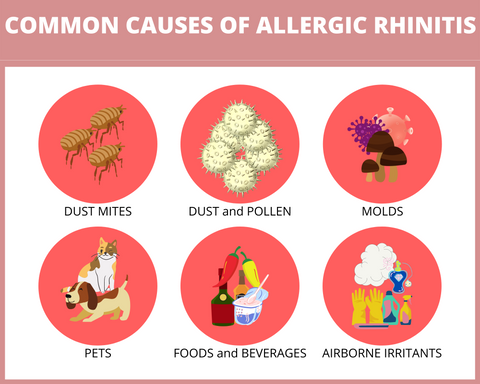
Common allergens that can trigger hay fever symptoms include pollen and dust mites. Tiny flecks of skin shed by cats, dogs, and other animals with fur or feathers (pet dander) also can be allergens. Besides making you miserable, hay fever can affect how well you perform at work or school and can generally interfere with your life. But you don’t have to put up with annoying symptoms. You can learn to avoid triggers and find the right treatment.
Symptoms
- Runny nose
- Nasal stuffiness
- Watery, itchy, red eyes
- Sneezing
- Cough
- Itchy nose, roof of mouth or throat
- Postnasal drip
- Allergic shiners
- Extreme tiredness
- Fatigue
Cause
Allergic rhinitis occurs when your body’s immune system reacts to an irritant in the air. The irritants (allergens) are so tiny that you can easily inhale them through your nose or mouth. Allergens are harmless to most people. But if you have hay fever, your immune system thinks the allergen is intruding. Your immune system tries to protect your body by releasing natural chemicals into your bloodstream. The main chemical is called histamine. It causes mucous membranes in your nose, eyes, and throat to become inflamed and itchy as they work to eject the allergen from your body. Allergic rhinitis comes from many allergens, including dust mites that live in carpets, drapes, bedding, and furniture. Pollen from trees, grass, and weeds. Pet dander (tiny flakes of dead skin cells). Mold spores. Cockroaches (their saliva and waste). Food allergies can also cause inflammation in your nose and throat. Food allergies can be life-threatening, so get medical help right away if you’re concerned that a certain food is consistently causing allergy symptoms.
Risk Factors
The following can increase a person’s risk of developing hay fever, having other allergies, or asthma. Having a condition called atopic dermatitis or eczema, which makes the skin irritated and itchy. Having a blood relative, such as a parent or sibling, with allergies or asthma. Living or working in an environment that constantly exposes someone to allergens, such as animal dander or dust mites. Being exposed to smoke and strong odors irritates the lining of the nose. Having a mother who smoked during the first year of life.
When to see a Doctor
See a healthcare professional if you can’t find relief from your hay fever symptoms. Allergy medicines don’t provide relief, or they cause side effects. You have another condition that can worsen hay fever symptoms, such as nasal polyps, asthma, or frequent sinus infections. Many people — especially children — get used to hay fever symptoms, so they might not seek treatment until the symptoms become severe. But getting the right treatment might offer relief.