
Folate Deficiency
What is Folate Deficiency ?
Folate deficiency is when your blood lacks the amount of vitamin B9 (folate) it needs to function properly. Folate deficiency can cause a wide range of symptoms and complications. Folate is a B vitamin found naturally in many of the foods you eat. These foods include leafy greens, citrus fruits, nuts, beans, peas, seafood, eggs, dairy, meat, poultry and grains. Your body needs folate to make new red blood cells and DNA, the genetic material in your cells. Folate is especially important during pregnancy. Folate helps in the growth and development of the fetus and can help prevent birth defects. Folic acid is a manmade (synthetic) form of folate. Your body can’t store large amounts of natural folate. But your body can easily absorb folic acid. As a result, it’s added to some of the foods you eat. Grains such as rice, bread, pasta and some cereals are enriched (fortified) with folic acid. Folic acid is also available as a dietary supplement.
Symptoms
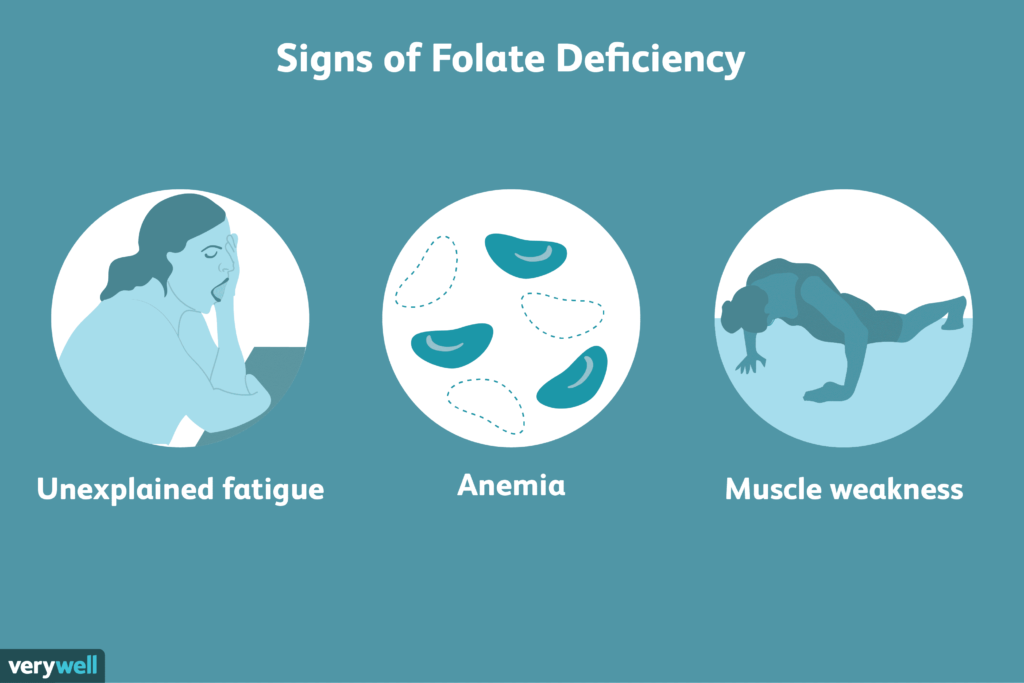
- Paleness
- Shortness of breath
- Irritability
- Dizziness
- Tender, red tongue
- Mouth sores or mouth ulcers
- Reduced sense of taste
- Memory loss
- Difficulty concentrating
- Confusion
- Problems with judgment
- Lack of energy
Cause
One of the most common causes of folate deficiency is not eating a healthy, balanced diet. A healthy diet includes foods that naturally contain folate or are enriched with folic acid. Other causes of folate deficiency can include Digestive system diseases: Your digestive system doesn’t absorb folic acid well if you have a disease such as Crohn’s disease or celiac disease. Excessive alcohol use: People who drink large amounts of alcohol sometimes substitute alcohol for food. As a result, they don’t get enough folate. Overcooking your fruits and vegetables: When you overcook, the heat can destroy the naturally occurring folate in your produce. Hemolytic anemia: A blood disorder that occurs when your red blood cells are destroyed and can’t be replaced fast enough. Certain medications: Some anti-seizure drugs and ulcerative colitis drugs interfere with the proper absorption of folate. Kidney dialysis: A treatment for people with kidney failure.
Risk Factors
Folate deficiency risk factors include inadequate dietary intake, pregnancy, certain medical conditions, excessive alcohol consumption, and the use of certain medications. Malabsorption syndromes, like celiac disease, can also increase the risk. Detailed Explanation of Risk Factors: Inadequate Dietary Intake, Pregnancy, Certain Medical Conditions, Excessive Alcohol Consumption, Certain Medications, Malabsorption Syndromes.
When to see a Doctor
Make an appointment with your doctor if you have any signs or symptoms that worry you.