
Febrile Seizure
What is Febrile Seizure ?
A febrile seizure is a convulsion in a child that’s caused by a fever. The fever is often from an infection. Febrile seizures occur in young, healthy children who have normal development and haven’t had any neurological symptoms before.
It can be frightening when your child has a febrile seizure. Fortunately, febrile seizures are usually harmless, only last a few minutes, and typically don’t indicate a serious health problem. You can help by keeping your child safe during a febrile seizure and by offering comfort afterward. Call your doctor to have your child evaluated as soon as possible after a febrile seizure.
Symptoms
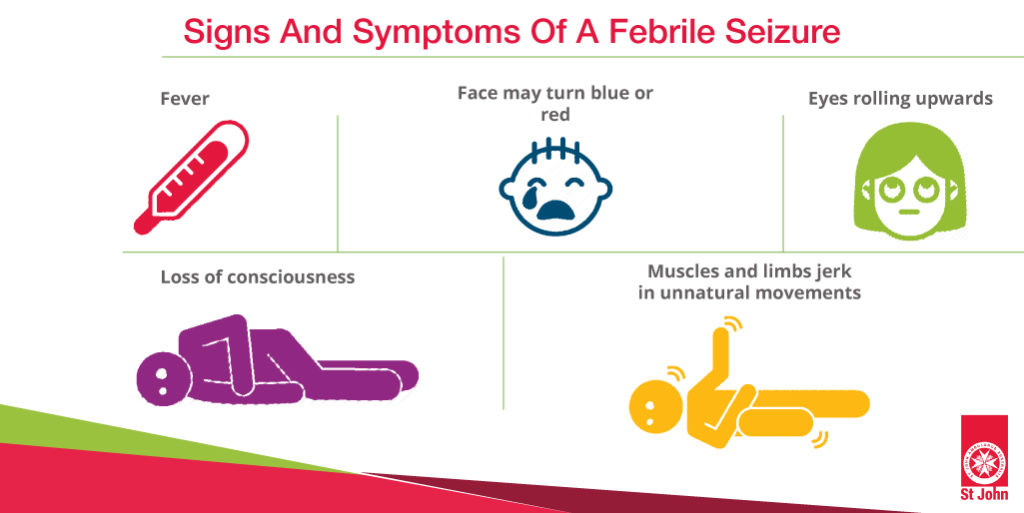
- High fever
- Lose consciousness
- Shake or jerk the arms and legs
- Drooling
- Vomiting
- Peeing or pooping
- Eye rolling or fluttering
- Difficulty breathing
- Clenched jaw
- Irritability or confusion
Cause
Usually, a higher-than-normal body temperature causes febrile seizures. Even a low-grade fever can trigger a febrile seizure. The fevers that trigger febrile seizures are usually caused by a viral infection, and less commonly by a bacterial infection. The flu (influenza) virus and the virus that causes roseola, which are often accompanied by high fevers, appear to be most frequently associated with febrile seizures. The risk of febrile seizures may increase after some childhood vaccinations. These include the diphtheria, tetanus, and pertussis vaccine and the measles-mumps-rubella vaccine. A child can develop a low-grade fever after a vaccination. The fever, not the vaccine, causes the seizure.
Risk Factors
This condition is relatively common — it’s the most common type of seizure that happens during childhood. Your child may be more at risk of having a febrile seizure if they are an infant (under 12 months) or younger than 5 years old. They were hospitalized in the neonatal intensive care unit for more than 28 days. Have a developmental delay. Have an infection. Have a biological family history of seizures. Sometimes, seizures only happen once, but your child may face a greater risk of having more than one seizure if their first seizure was before 12 months. They have a biological family history of seizures. A seizure is the first sign of an illness (before any other symptoms occur).
When to see a Doctor
See your child’s doctor as soon as possible after your child’s first febrile seizure, even if it lasts only a few seconds. Call an ambulance to take your child to the emergency room if the seizure lasts longer than five minutes or is accompanied by vomiting, a stiff neck, breathing problems, or extreme sleepiness.