
Erectile Dysfunction
What is Erectile Dysfunction ?
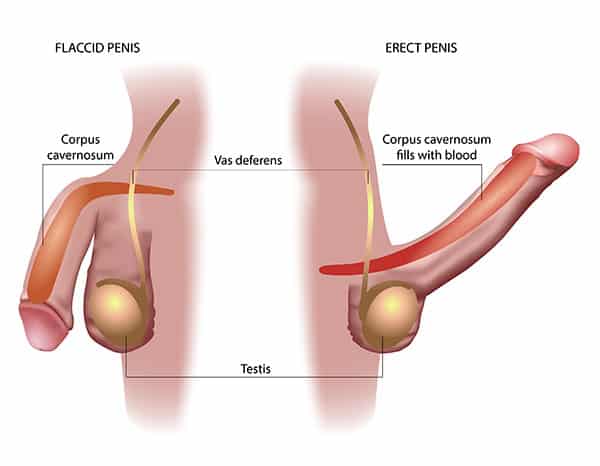
Erectile dysfunction means not being able to get and keep an erection firm enough for sexual activity. It is also called impotence. Having erection trouble from time to time isn’t always a cause for concern. But if erectile dysfunction is ongoing, it can cause stress, affect self-confidence, and add to challenges with a partner. Problems getting or keeping an erection can be a sign of a health condition that needs treatment and a risk factor for heart disease.
If you’re worried about erectile dysfunction, talk to your healthcare professional, even if it’s awkward. Sometimes, treating an underlying condition can fix erectile dysfunction. Or you might need medicines or other direct treatments.
Symptoms
- Difficulty getting an erection
- Difficulty maintaining an erection
- Reduced sexual desire
- Weak or inconsistent erections
- Anxiety or stress
- Premature or delayed ejaculation
- Inability to reach climax
- Low self-esteem
- Relationship issues
- Depression
Cause
Male sexual arousal is complex. It involves the brain, hormones, emotions, nerves, muscles, and blood vessels. Erectile dysfunction can result from a problem with any of these. Also, stress and mental health concerns can cause erectile dysfunction or make it worse. Sometimes the cause of erectile dysfunction is both physical and mental. For instance, a minor physical condition that slows your sexual response might cause worry about keeping an erection. The anxiety can add to erectile dysfunction.
Risk Factors
As you get older, erections might take longer to start and might not be as firm. You might need more direct touch to your penis to get and keep an erection. But erectile dysfunction is not a typical part of aging. Risk factors that can add to erectile dysfunction include: Medical conditions. Diabetes or heart conditions are big risk factors. Tobacco use. This lowers blood flow to veins and arteries. Over time, tobacco use can cause ongoing health conditions that lead to erectile dysfunction. Being overweight. Being obese, especially, can lead to erectile dysfunction. Certain medical treatments. These include prostate surgery or radiation treatment for cancer. Injuries. This is especially true if injuries damage the nerves or arteries that control erections. Medicines. These include antidepressants, antihistamines, and medicines to treat high blood pressure, pain, or prostate conditions. Mental health conditions. These include stress, anxiety, and depression. Illicit drug and alcohol use. This is especially true for long-term drug use or heavy drinking.
When to see a Doctor
A family doctor is a good place to start when you have erectile problems. See your doctor if you have concerns about your erections or you’re experiencing other sexual problems, such as premature or delayed ejaculation, you have diabetes, heart disease, or another known health condition that might be linked to erectile dysfunction, or you have other symptoms along with erectile dysfunction.