
Dry Eyes
What is Dry Eyes ?
Dry eye disease is a common condition that occurs when your tears aren’t able to provide adequate lubrication for your eyes. Tears can be inadequate and unstable for many reasons. For example, dry eyes may occur if you don’t produce enough tears or if you produce poor-quality tears. This tear instability leads to inflammation and damage of the eye’s surface.
Dry eyes feel uncomfortable. If you have dry eyes, your eyes may sting or burn. You may experience dry eyes in certain situations, such as on an airplane, in an air-conditioned room, while riding a bike or after looking at a computer screen for a few hours. Treatments for dry eyes may make you more comfortable. These treatments can include lifestyle changes and eye drops. You’ll likely need to take these measures indefinitely to control the symptoms of dry eyes.
Symptoms
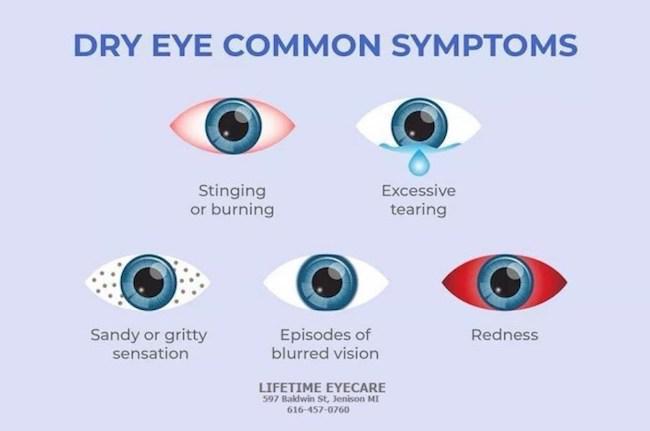
- A stinging sensation in your eyes
- Burning or scratchy sensation in your eyes
- Stringy mucus in or around your eyes
- Sensitivity to light
- Eye redness
- A sensation of having something in your eyes
- Difficulty wearing contact lenses
- Difficulty with nighttime driving
- Watery eyes
- Blurred vision or eye fatigue
Cause
Dry eyes are caused by a variety of reasons that disrupt the healthy tear film. Your tear film has three layers: fatty oils, aqueous fluid, and mucus. This combination usually keeps the surface of your eyes lubricated, smooth, and clear. Problems with any of these layers can cause dry eyes. Reasons for tear film dysfunction are many, including hormone changes, autoimmune disease, inflamed eyelid glands, or allergic eye disease. For some people, the cause of dry eyes is decreased tear production or increased tear evaporation.
Risk Factors
Factors that make it more likely that you’ll experience dry eyes include being older than 50. Tear production tends to diminish as you get older. Dry eyes are more common in people over 50. Being a woman. A lack of tears is more common in women, especially if they experience hormonal changes due to pregnancy, using birth control pills, or menopause and eating a diet that is low in vitamin A, which is found in liver, carrots and broccoli, or low in omega-3 fatty acids, which are found in fish, walnuts and vegetable oils. Wearing contact lenses or having a history of refractive surgery.
When to see a Doctor
See your health care provider if you’ve had prolonged signs and symptoms of dry eyes, including red, irritated, tired or painful eyes. Your provider can take steps to determine what’s bothering your eyes or refer you to a specialist.