
Dizziness
What is Dizziness ?
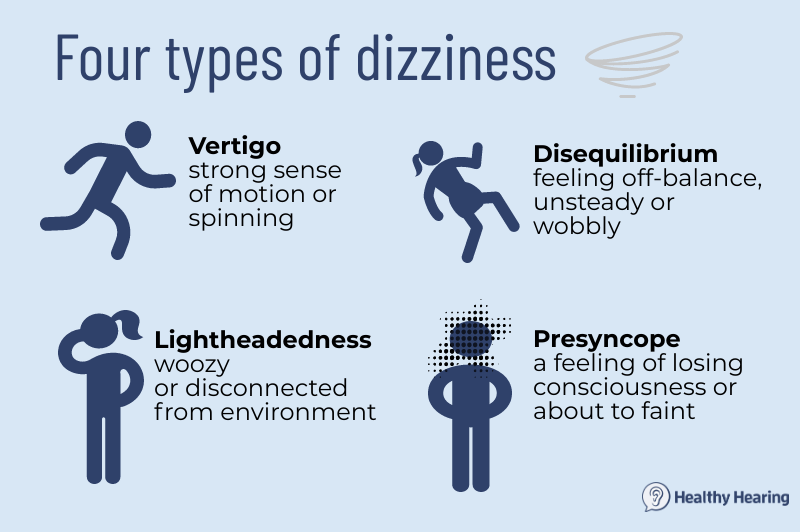
Dizziness is a term used to describe a range of sensations, including feeling faint, woozy, weak, or unsteady. The sense that you or your surroundings are spinning or moving is more precisely termed vertigo.
Dizziness is one of the more common reasons adults see a healthcare professional. Frequent dizzy spells or constant dizziness can have serious effects on your life. But dizziness rarely means that you have a life-threatening condition. Treatment of dizziness depends on the cause and your symptoms. Treatment often helps, but the symptoms may come back.
Symptoms
- A sense of motion or spinning, also called vertigo
- Lightheadedness or feeling faint
- A loss of balance or the sense of not feeling steady
- A feeling of floating
- Wooziness
- Heavy-headedness
- Nausea
- Vomiting
- Blurred or double vision
- Ringing in the ears
- Headache
- Confusion
Cause
Dizziness happens when something affects your sense of balance. A stable sense of balance requires a steady flow of information from your ears, eyes, tissues, and central nervous system. Your central nervous system uses this information to tell your body how to maintain balance. When something disrupts the flow, your central nervous system can process information incorrectly, and you can feel unsteady and dizzy. Inner ear disorders, neurological conditions, medications, and even stress may cause you to feel dizzy. Benign paroxysmal positional vertigo (BPPV). People with BPPV feel a spinning sensation when they move their heads. Labyrinthitis. Inflammation in your labyrinth, the inner ear system that’s responsible for hearing and balance. Vestibular neuritis. This disorder affects the vestibulocochlear nerve of your inner ear. Persistent postural perceptual dizziness (PPPD). Dizziness that’s triggered by things or activities going on around you, like being around crowds. PPPD symptoms come and go. Inner ear infections. Inflammation in your inner ear from viral or bacterial ear infections may interfere with the messages your inner ear sends to your brain. Anemia. Anemia is not having enough red blood cells. Dizziness is a common symptom. Acoustic neuroma. Noncancerous tumors in your inner ear may affect your balance and make you feel dizzy. Cardiovascular issues. Issues that affect the flow of blood to your brain, such as irregular heartbeat (atrial fibrillation), low blood pressure (hypotension), or narrowed arteries (atherosclerosis), may make you feel dizzy. Concussion. This head injury damages your brain and causes dizziness, among other symptoms. Neurological diseases or disorders. Migraine headaches, multiple sclerosis, and Parkinson’s disease are examples of neurological disorders that affect your sense of balance and make you feel dizzy. Anxiety and stress. You may feel dizzy if you hyperventilate because you’re anxious or under stress. Carbon monoxide poisoning. Breathing in carbon monoxide causes dizziness. Dehydration. Dizziness is a symptom of severe dehydration. Low blood sugar (hypoglycemia). Sudden dizziness is a symptom. Medications. Blood pressure medications often cause dizziness. Motion sickness. Motion sickness may make you feel dizzy and affect your balance.
Risk Factors
Factors that may raise your risk of getting dizzy include: Age. Older adults are more likely to have health conditions that cause dizziness, especially a sense of less balance. They’re also more likely to take medicines that can cause dizziness. A past bout of dizziness. If you’ve had dizziness before, you’re more likely to get dizzy in the future.
When to see a Doctor
In general, see your healthcare professional if you have any repeated, sudden, severe, or long-lasting dizziness or vertigo with no clear cause.