
Depression
What is Depression ?
Depression is a mood disorder that causes a persistent feeling of sadness and loss of interest. Also called major depressive disorder or clinical depression, it affects how you feel, think, and behave and can lead to a variety of emotional and physical problems. You may have trouble doing normal day-to-day activities, and sometimes you may feel as if life isn’t worth living.
More than just a bout of the blues, depression isn’t a weakness, and you can’t simply “snap out” of it. Depression may require long-term treatment. But don’t get discouraged. Most people with depression feel better with medication, psychotherapy, or both.
Symptoms
- Feelings of sadness, tearfulness, emptiness
- Angry outbursts, irritability or frustration
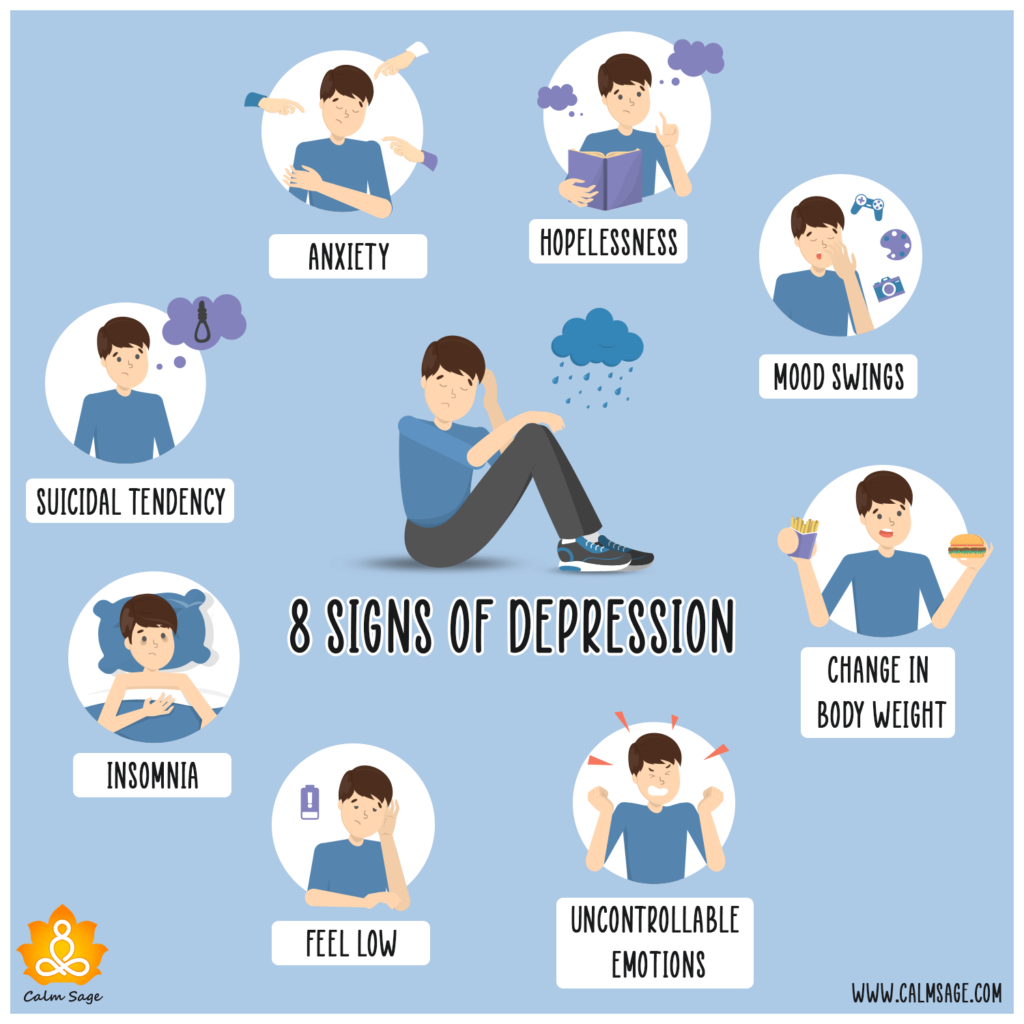
- Loss of interest or pleasure in most or all normal activities
- Sleep disturbances
- Tiredness and lack of energy
- Unexplained physical problems
- Reduced appetite and weight loss
- Anxiety, agitation or restlessness
- Slowed thinking, speaking or body movements
- Feelings of worthlessness or guilt
- Trouble thinking, concentrating, making decisions
- Frequent or recurrent thoughts of death
Cause
It’s not known exactly what causes depression. As with many mental disorders, a variety of factors may be involved, such as Biological differences. People with depression appear to have physical changes in their brains. The significance of these changes is still uncertain, but they may eventually help pinpoint causes. Brain chemistry. Neurotransmitters are naturally occurring brain chemicals that likely play a role in depression. Recent research indicates that changes in the function and effect of these neurotransmitters and how they interact with neurocircuits involved in maintaining mood stability may play a significant role in depression and its treatment. Hormones. Changes in the body’s balance of hormones may be involved in causing or triggering depression. Hormone changes can result from pregnancy and during the weeks or months after delivery (postpartum) and from thyroid problems, menopause, or several other conditions. Inherited traits. Depression is more common in people whose blood relatives also have this condition. Researchers are trying to find genes that may be involved in causing depression.
Risk Factors
Depression often begins in the teens, 20s, or 30s, but it can happen at any age. More women than men are diagnosed with depression, but this may be due in part because women are more likely to seek treatment. Factors that seem to increase the risk of developing or triggering depression include: Certain personality traits, such as low self-esteem and being too dependent, self-critical, or pessimistic. Traumatic or stressful events, such as physical or sexual abuse, the death or loss of a loved one, a difficult relationship, or financial problems. Blood relatives with a history of depression, bipolar disorder, alcoholism, or suicide. Being lesbian, gay, bisexual, or transgender, or having variations in the development of genital organs that aren’t male or female (intersex) in an unsupportive situation. History of other mental health disorders, such as anxiety disorder, eating disorders, or post-traumatic stress disorder. Abuse of alcohol or recreational drugs. Serious or chronic illness, including cancer, stroke, chronic pain, or heart disease. Certain medications, such as some high blood pressure medications or sleeping pills (talk to your doctor before stopping any medication).
When to see a Doctor
If you feel depressed, make an appointment to see your doctor or mental health professional as soon as you can. If you’re reluctant to seek treatment, talk to a friend or loved one, any health care professional, a faith leader, or someone else you trust.