
Common Cold
What is Common Cold ?
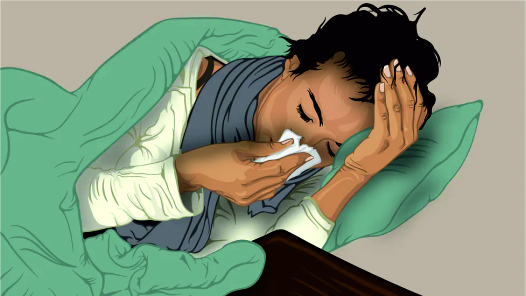
The common cold is an illness affecting your nose and throat. Most often, it’s harmless, but it might not feel that way. Germs called viruses cause a common cold. Often, adults may have two or three colds each year. Infants and young children may have colds more often.
Most people recover from a common cold in 7 to 10 days. Symptoms might last longer in people who smoke. Most often, you don’t need medical care for a common cold. If symptoms don’t get better or if they get worse, see your health care provider. Illnesses of the nose and throat caused by germs are called upper respiratory tract infections.
Symptoms
- Runny nose
- Sore or scratchy throat
- Cough
- Sneezing
- Generally feeling unwell
- Fatigue
- Slight body aches or a mild headache
- Stuffy nose
- Low-grade fever
- Hoarseness
- Runny eyes
- Fever
Cause
Many viruses can cause a common cold. Rhinoviruses are the most common cause. A cold virus enters the body through the mouth, eyes or nose. The virus can spread by droplets in the air when someone who is sick coughs, sneezes or talks. Hand-to-hand contact with someone who has a cold. Sharing objects with the virus on them, such as dishes, towels, toys or telephones. Touching your eyes, nose or mouth after contact with the virus.
Risk Factors
These factors can increase the chances of getting a cold. Age. Infants and young children have a greater risk of colds than other people, especially if they spend time in child care settings. Weakened immune system. Having a long-term illness or weakened immune system increases your risk. Time of year. Both children and adults are more likely to get colds in fall and winter. Smoking. Smoking or being around secondhand smoke increases the risk of catching a cold. Exposure. Being in crowds, such as at school or on an airplane, increases the chance of getting a cold.
When to see a Doctor
For adults — generally, you don’t need medical attention for a common cold. However, seek medical attention if you have symptoms that worsen or fail to improve, fever greater than 101.3 F (38.5 C) lasting more than three days, fever returning after a fever-free period, shortness of breath, wheezing, severe sore throat, headache or sinus pain. For children — in general, your child doesn’t need to see his or her doctor for a common cold. But seek medical attention right away if your child has fever of 100.4 F (38 C) in newborns up to 12 weeks, rising fever or fever lasting more than two days in a child of any age, severe symptoms, such as headache, throat pain or cough, difficulty breathing or wheezing, ear pain, extreme fussiness, unusual drowsiness, lack of appetite.