
Chlamydia
What is Chlamydia ?
Chlamydia (kluh-MID-e-uh) is a common sexually transmitted disease. Sexually transmitted diseases are infections spread mainly by contact with genitals or bodily fluids. Also called STDs, STIs, or venereal disease, sexually transmitted infections are caused by bacteria, viruses, or parasites.
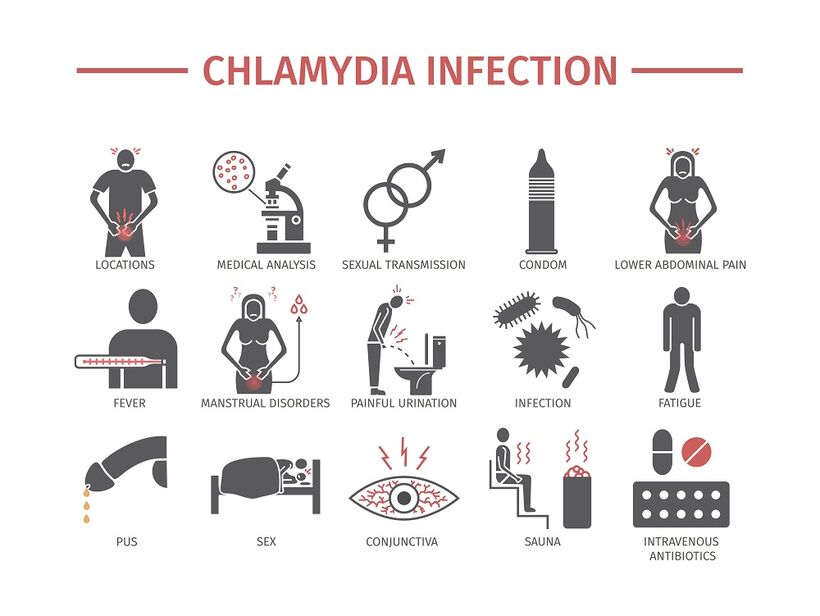
Chlamydia is caused by Chlamydia trachomatis (truh-KOH-muh-tis) bacteria and spread through oral, vaginal or anal sex. You might not know you have chlamydia because many people don’t have symptoms, such as genital pain and discharge from the vagina or penis. Chlamydia trachomatis affects mostly young women, but it can occur in both men and women and all age groups. It’s not difficult to treat, but if left untreated, it can lead to more serious health problems.
Symptoms
- Painful urination
- Vaginal discharge
- Discharge from the penis
- Painful vaginal sex
- Vaginal bleeding between periods and after sex
- Testicular pain
- Pus in your urine
- Increased need to pee
- Painful periods
- Itching or burning in and around your vagina
- Dull pain in the lower part of your abdomen
- Mucus-like or clear, watery discharge from your penis
Cause
Chlamydia infections spread through sexual contact, when vaginal fluid or semen containing the bacteria that causes chlamydia travels from one person to another. Sexual contact includes all kinds of sex, including sex that doesn’t involve penetration or ejaculation. There are lots of ways that the fluids from one person’s genitals can transmit the bacteria that cause chlamydia: Intercourse. Bacteria pass from one person’s penis to their partner’s vagina or vice versa. Anal sex. Bacteria pass from one person’s penis to their partner’s anus or vice versa. Oral sex. Bacteria pass from one person’s mouth to their partner’s penis, vagina or anus, or vice versa. Sex involving toys. Bacteria pass from a toy to a person’s mouth, penis, vagina or anus. Manual stimulation of the genitals or anus. Less commonly, infected vaginal fluid or semen can come in contact with a person’s eye, causing an infection called conjunctivitis (pink eye). For example, this can happen if you touch the genitals of an infected person and then rub your eyes without washing your hands first.
Risk Factors
People who have sex before age 25 are at higher risk of chlamydia than are older people. That’s because younger people are more likely to have more than one risk factor. Risk factors for chlamydia include not using a condom or incorrect condom use. Less use of health services to prevent and treat sexually transmitted infections. New or multiple sex partners. Changing sex partners before learning about a chlamydia infection.
When to see a Doctor
See your healthcare professional if you have discharge from your vagina, penis, or rectum, or if you have pain during urination. Also, see your healthcare team if you learn your sexual partner has chlamydia. Your healthcare professional will likely prescribe an antibiotic even if you have no symptoms.