
Cancer
What is Cancer ?
Cancer refers to any one of a large number of diseases characterized by the development of abnormal cells that divide uncontrollably and can infiltrate and destroy normal body tissue. Cancer can often spread throughout your body.
Cancer is the second-leading cause of death in the world. But survival rates are improving for many types of cancer, thanks to improvements in cancer screening, treatment, and prevention.
Symptoms
- Fatigue
- Lump
- Weight changes
- Skin changes
- Changes in bowel or bladder habits
- Persistent cough or trouble breathing
- Difficulty swallowing
- Hoarseness
- Persistent indigestion or discomfort after eating
- Persistent, unexplained muscle or joint pain
- Persistent, unexplained fevers or night sweats
- Unexplained bleeding or bruising
Cause
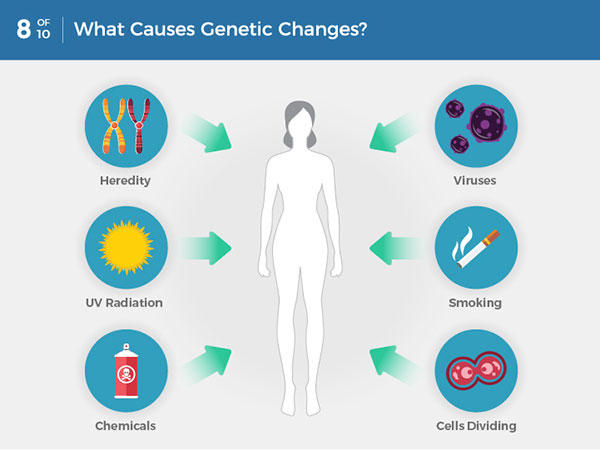
Cancer is caused by changes (mutations) to the DNA within cells. The DNA inside a cell is packaged into a large number of individual genes, each of which contains a set of instructions telling the cell what functions to perform, as well as how to grow and divide. Errors in the instructions can cause the cell to stop its normal function and may allow a cell to become cancerous.
Risk Factors
While doctors have an idea of what may increase your risk of cancer, the majority of cancers occur in people who don’t have any known risk factors. Cancer can take decades to develop. That’s why most people diagnosed with cancer are 65 or older. While it’s more common in older adults, cancer isn’t exclusively an adult disease — cancer can be diagnosed at any age. Certain lifestyle choices are known to increase your risk of cancer. Smoking, drinking more than one drink a day for women and up to two drinks a day for men, excessive exposure to the sun or frequent blistering sunburns, being obese, and having unsafe sex can contribute to cancer. You can change these habits to lower your risk of cancer, though some habits are easier to change than others. Only a small portion of cancers are due to an inherited condition. If cancer is common in your family, it’s possible that mutations are being passed from one generation to the next. You might be a candidate for genetic testing to see whether you have inherited mutations that might increase your risk of certain cancers. Keep in mind that having an inherited genetic mutation doesn’t necessarily mean you’ll get cancer. Some chronic health conditions, such as ulcerative colitis, can markedly increase your risk of developing certain cancers. Talk to your doctor about your risk. The environment around you may contain harmful chemicals that can increase your risk of cancer. Even if you don’t smoke, you might inhale secondhand smoke if you go where people are smoking or if you live with someone who smokes. Chemicals in your home or workplace, such as asbestos and benzene, are also associated with an increased risk of cancer.
When to see a Doctor
Make an appointment with your doctor if you have any persistent signs or symptoms that concern you. If you don’t have any signs or symptoms, but are worried about your risk of cancer, discuss your concerns with your doctor. Ask about which cancer screening tests and procedures are appropriate for you.