
Bursitis
What is Bursitis ?
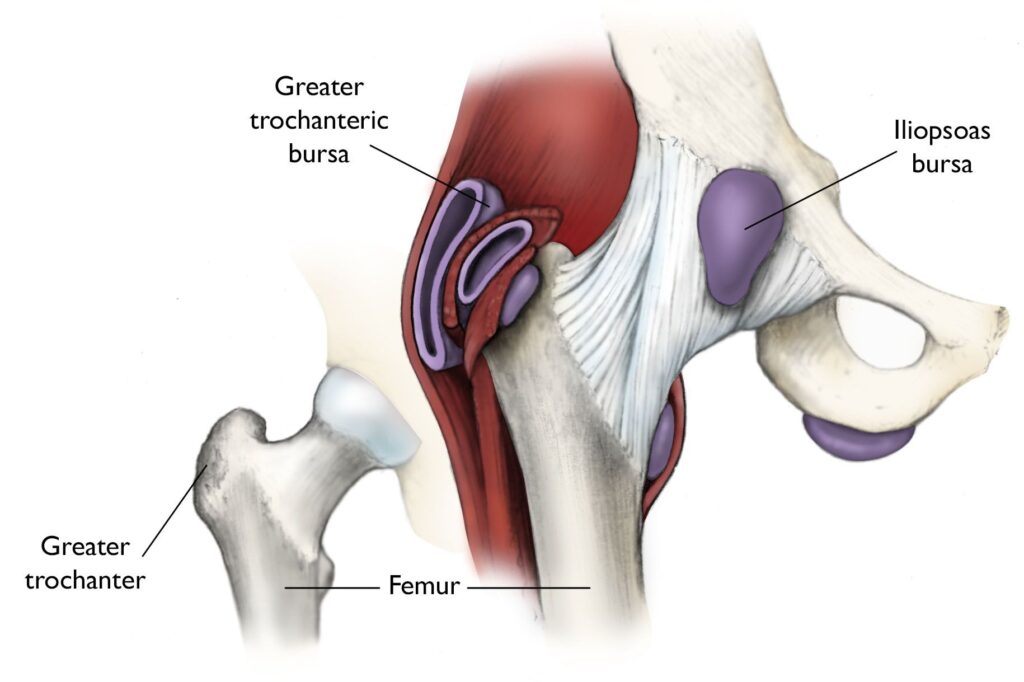
Bursitis (bur-SY-tis) is a painful condition that affects the small, fluid-filled sacs — called bursae (bur-SEE) — that cushion the bones, tendons, and muscles near your joints. Bursitis occurs when bursae become inflamed.
The most common locations for bursitis are in the shoulder, elbow, and hip. But you can also have bursitis in your knee, heel, and the base of your big toe. Bursitis often occurs near joints that perform frequent repetitive motion.
Treatment typically involves resting the affected joint and protecting it from further trauma. In most cases, bursitis pain goes away within a few weeks with proper treatment, but recurrent flare-ups of bursitis are common.
Symptoms
- Joint feel achy or stiff
- Joint hurt more when you move it or press on it
- Affected area looks swollen and red
- Pain
- A limited range of motion
- Discoloration on your skin
- A feeling of warmth or heat
- Fever
- Chills
- Tenderness
Cause
The most common causes of bursitis are repetitive motions or positions that put pressure on the bursae around a joint. Examples include throwing a baseball or lifting something over your head repeatedly. Leaning on your elbows for long periods. Extensive kneeling for tasks such as laying carpet or scrubbing floors. Other causes include injury or trauma to the affected area, inflammatory arthritis such as rheumatoid arthritis, gout, and infection.
Risk Factors
Anyone can develop bursitis, but certain factors can increase your risk: Age. Bursitis becomes more common with aging. Occupations or hobbies. If your work or hobby requires repetitive motion or pressure on particular bursae, your risk of developing bursitis increases. Examples include carpet laying, tile setting, gardening, painting, and playing a musical instrument. Other medical conditions. Certain systemic diseases and conditions, such as rheumatoid arthritis, gout, and diabetes, increase your risk of developing bursitis. Being overweight can increase your risk of developing hip and knee bursitis.
When to see a Doctor
Consult your doctor if you have disabling joint pain, sudden inability to move a joint, excessive swelling, redness, bruising, or a rash in the affected area, sharp or shooting pain, especially when you exercise or exert yourself, or a fever.