Bone Marrow Transplant
What is Bone Marrow Transplant ?
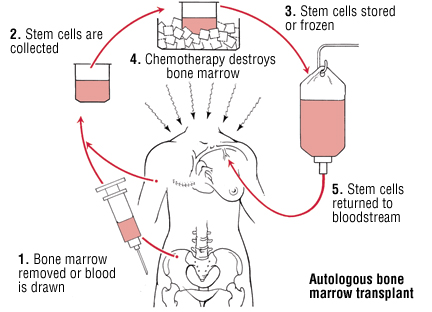
A bone marrow transplant is a procedure that infuses healthy blood-forming stem cells into your body to replace bone marrow that’s not producing enough healthy blood cells. A bone marrow transplant is also called a stem cell transplant.
You might need a bone marrow transplant if your bone marrow stops working and does not produce enough healthy blood cells. Bone marrow transplants may use cells from your own body (autologous transplant) or a donor (allogeneic transplant).
Why it's done
A bone marrow transplant may be used to:
- Safely allow treatment with high doses of chemotherapy or radiation by replacing or rescuing the bone marrow damaged by the treatment
- Replace bone marrow that’s not working properly with new stem cells
- Provide new stem cells, which can help kill cancer cells directly
Bone marrow transplants can benefit people with a variety of both cancerous and noncancerous diseases, including:
- Acute leukemia
- Adrenoleukodystrophy
- Aplastic anemia
- Bone marrow failure syndromes
- Chronic leukemia
- Hemoglobinopathies
- Hodgkin’s lymphoma
- Immune deficiencies
- Inborn errors of metabolism
- Multiple myeloma
- Myelodysplastic syndromes
- Neuroblastoma
- Non-Hodgkin’s lymphoma
- Plasma cell disorders
- POEMS syndrome
- Primary amyloidosis
Risk Factors
A bone marrow transplant can pose numerous risks. Some people experience minimal problems with a bone marrow transplant, while others can have serious complications that require treatment or hospitalization. Sometimes complications are life-threatening. Your risks depend on many factors, including the disease or condition that caused you to need a transplant, the type of transplant, your age, and your overall health. Possible complications from a bone marrow transplant include graft-versus-host disease (a complication of allogeneic transplant only). Stem cell (graft) failure. Organ damage. Infections. Cataracts. Infertility. New cancers. Death. Your health care provider can explain your risk of complications from a bone marrow transplant. Together, you can weigh the risks and benefits to decide whether a bone marrow transplant is right for you.