
Avascular Necrosis
What is Avascular Necrosis ?
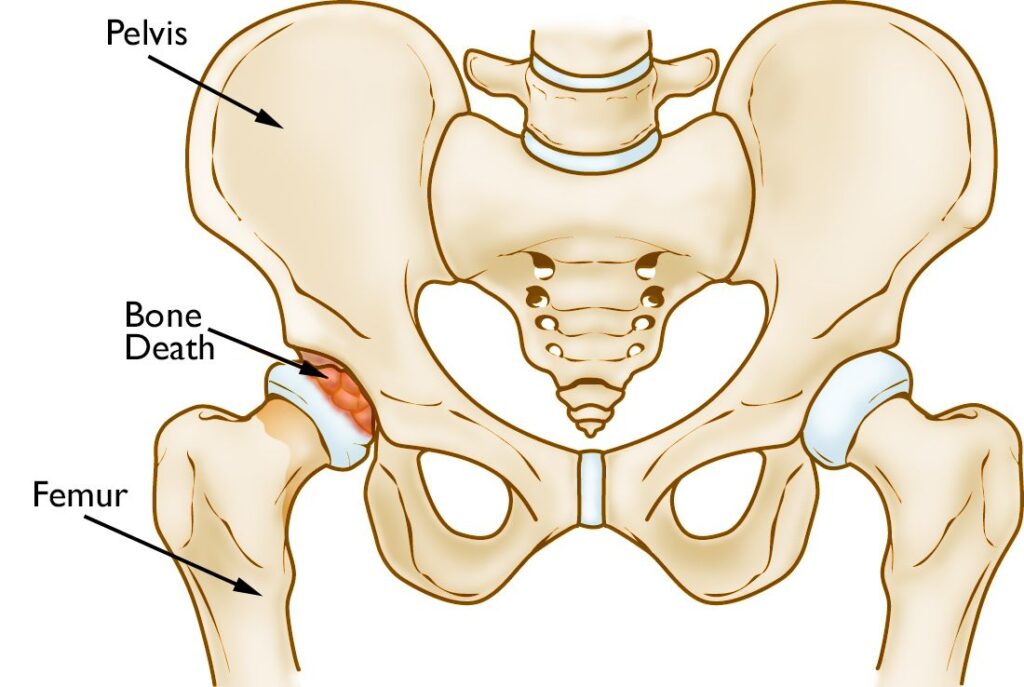
Avascular necrosis is the death of bone tissue due to a lack of blood supply. Also called osteonecrosis, it can lead to tiny breaks in the bone and cause the bone to collapse. The process usually takes months to years.
A broken bone or dislocated joint can stop the blood flow to a section of bone. Avascular necrosis is also associated with long-term use of high-dose steroid medications and too much alcohol. Anyone can be affected. But the condition is most common in people between the ages of 30 and 50.
Symptoms
- Intermittent pain
- Increasing pain and stiff joints
- Limited range of motion
- Limping if you have avascular necrosis
- Difficulty climbing stairs, standing or walking
- Joint Pain
- Hip AVN may present with groin pain
- Weakness
- Instability
- Minimal early joint pain
Cause
Avascular necrosis occurs when blood flow to a bone is interrupted or reduced. Reduced blood supply can be caused by joint or bone trauma. An injury, such as a dislocated joint, might damage nearby blood vessels. Cancer treatments involving radiation can also weaken bone and harm blood vessels. Fatty deposits in blood vessels. The fat (lipids) can block small blood vessels. This can reduce blood flow to bones. Certain diseases. Medical conditions, such as sickle cell anemia and Gaucher’s disease, can also lessen blood flow to the bone. Sometimes, the cause of avascular necrosis not brought on by trauma isn’t fully understood. Genetics combined with overuse of alcohol, certain medications, and other diseases likely play a role.
Risk Factors
Risk factors for developing avascular necrosis include: Trauma. Injuries, such as hip dislocation or fracture, can damage nearby blood vessels and reduce blood flow to bones. Steroid use. Use of high-dose corticosteroids, such as prednisone, is a common cause of avascular necrosis. The reason is unknown, but some experts believe that corticosteroids can increase lipid levels in the blood, reducing blood flow. Drinking too much alcohol. Having several alcoholic drinks a day for several years can also cause fatty deposits to form in blood vessels. Bisphosphonate use. Long-term use of medications to increase bone density might contribute to the development of osteonecrosis of the jaw. This rare complication has occurred in some people treated with high doses of these medications for cancers, such as multiple myeloma and metastatic breast cancer. Certain medical treatments. Radiation therapy for cancer can weaken bone. Organ transplants, especially kidney transplants, are also associated with avascular necrosis.
When to see a Doctor
See your health care provider for ongoing pain in any joint. Seek immediate medical attention for a possible broken bone or dislocated joint.