
Anxiety Disorders
What is Anxiety Disorders ?
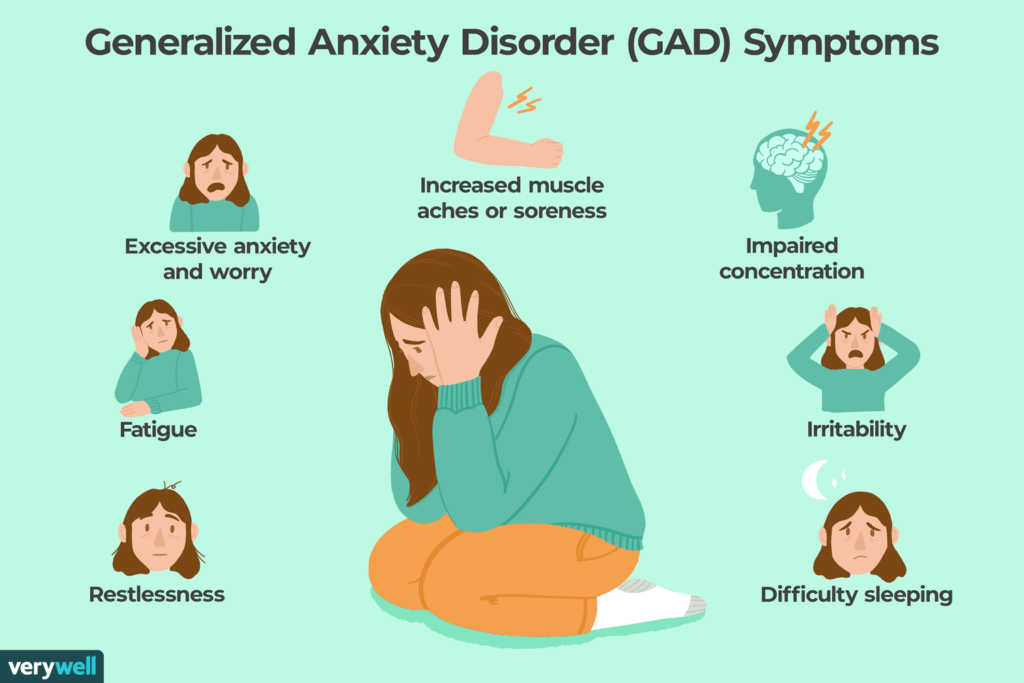
Experiencing occasional anxiety is a normal part of life. However, people with anxiety disorders frequently have intense, excessive and persistent worry and fear about everyday situations. Often, anxiety disorders involve repeated episodes of sudden feelings of intense anxiety and fear or terror that reach a peak within minutes (panic attacks).
These feelings of anxiety and panic interfere with daily activities, are difficult to control, are out of proportion to the actual danger and can last a long time. You may avoid places or situations to prevent these feelings. Symptoms may start during childhood or the teen years and continue into adulthood. Examples of anxiety disorders include generalized anxiety disorder, social anxiety disorder (social phobia), specific phobias and separation anxiety disorder. You can have more than one anxiety disorder. Sometimes anxiety results from a medical condition that needs treatment. Whatever form of anxiety you have, treatment can help.
Symptoms
- Feeling nervous, restless or tense
- Having a sense of impending danger, panic or doom
- Having an increased heart rate
- Breathing rapidly
- Sweating
- Trembling
- Feeling weak or tired
- Trouble concentrating
- Having trouble sleeping
- Experiencing gastrointestinal problems
- Having difficulty controlling worry
- Having the urge to avoid things that trigger anxiety
Cause
Like other types of mental health conditions, researchers don’t know exactly what causes anxiety disorders. But they think a combination of factors plays a role: Chemical imbalances: Several neurotransmitters and hormones play a role in anxiety, including norepinephrine, serotonin, dopamine, and gamma-aminobutyric acid (GABA). Imbalances in these chemicals can contribute to an anxiety disorder. Brain changes: A part of your brain called the amygdala plays an important role in managing fear and anxiety. Studies show that people with anxiety disorders show increased amygdala activity in response to anxiety cues. Genetics: Anxiety disorders tend to run in biological families. This suggests that genetics may play a role. You may be at an increased risk of developing one if you have a first-degree relative (biological parent or sibling) with an anxiety disorder. Environmental factors: Severe or long-lasting stress can change the balance of neurotransmitters that control your mood. Experiencing a lot of stress over a long period can contribute to an anxiety disorder. Experiencing a traumatic event can also trigger anxiety disorders.
Risk Factors
These factors may increase your risk of developing an anxiety disorder: Trauma. Children who endured abuse or trauma or witnessed traumatic events are at higher risk of developing an anxiety disorder at some point in life. Adults who experience a traumatic event can also develop anxiety disorders. Stress due to an illness. Having a health condition or serious illness can cause significant worry about issues such as your treatment and your future. Stress buildup. A big event or a buildup of smaller stressful life situations may trigger excessive anxiety, for example, a death in the family, work stress, or ongoing worry about finances. Personality. People with certain personality types are more prone to anxiety disorders than others are. Other mental health disorders. People with other mental health disorders, such as depression, often also have an anxiety disorder. Having blood relatives with an anxiety disorder. Anxiety disorders can run in families. Drugs or alcohol. Drug or alcohol use or misuse, or withdrawal can cause or worsen anxiety.
When to see a Doctor
See your doctor if you feel like you’re worrying too much, your fear, worry or anxiety is upsetting to you and difficult to control, you feel depressed, have other mental health concerns along with anxiety, you think your anxiety could be linked to a physical health problem, you have suicidal thoughts or behaviors.