
Alpha Thalassemia
What is Alpha Thalassemia ?
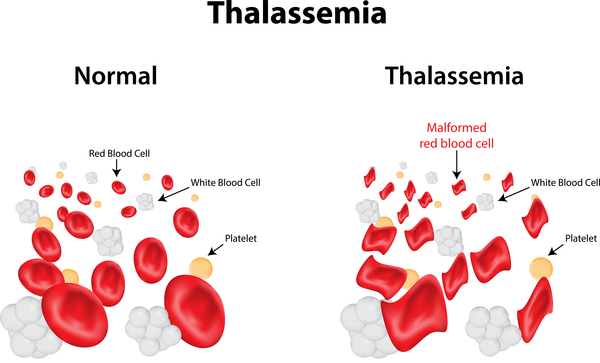
Alpha thalassemia is a blood disorder that reduces the production of hemoglobin. Hemoglobin is the protein in red blood cells that carries oxygen to cells throughout the body. In people with the characteristic features of alpha thalassemia, a reduction in the amount of hemoglobin prevents enough oxygen from reaching the body’s tissues. Affected individuals also have a shortage of red blood cells (anemia), which can cause pale skin, weakness, fatigue, and more serious complications. Two types of alpha thalassemia can cause health problems. The more severe type is known as hemoglobin Bart hydrops fetalis syndrome, which is also called Hb Bart syndrome or alpha thalassemia major. The milder form is called HbH disease. Hb Bart syndrome is characterized by hydrops fetalis, a condition in which excess fluid builds up in the body before birth. Additional signs and symptoms can include severe anemia, an enlarged liver and spleen (hepatosplenomegaly), heart defects, and abnormalities of the urinary system or genitalia. Without treatment, most babies with this condition are stillborn or die soon after birth because of these serious health problems. Hb Bart syndrome can also cause serious complications for women during pregnancy, including dangerously high blood pressure with swelling (preeclampsia), premature delivery, and abnormal bleeding.
Symptoms
- Fatigue
- Weakness
- Pale or yellowish skin
- Facial bone deformities
- Slow growth
- Abdominal swelling
- Dark urine
- Growth problems
- Delayed puberty
- Bone abnormalities
Cause
Thalassemia is caused by mutations in the DNA of cells that make hemoglobin — the substance in red blood cells that carries oxygen throughout your body. The mutations associated with thalassemia are passed from parents to children. Hemoglobin molecules are made of chains called alpha and beta chains that can be affected by mutations. In thalassemia, the production of either the alpha or beta chains are reduced, resulting in either alpha-thalassemia or beta-thalassemia. In alpha-thalassemia, the severity of thalassemia you have depends on the number of gene mutations you inherit from your parents. The more mutated genes, the more severe your thalassemia. Four genes are involved in making the alpha hemoglobin chain. You get two from each of your parents. If you inherit One mutated gene, you’ll have no signs or symptoms of thalassemia. But you are a carrier of the disease and can pass it on to your children. Two mutated genes, your thalassemia signs and symptoms will be mild. This condition might be called alpha-thalassemia trait. Three mutated genes, your signs and symptoms will be moderate to severe.
Risk Factors
Factors that increase your risk of thalassemia include a Family history of thalassemia. Thalassemia is passed from parents to children through mutated hemoglobin genes. Certain ancestry. Thalassemia occurs most often in African Americans and people of Mediterranean and Southeast Asian descent.
When to see a Doctor
Make an appointment with your child’s doctor for an evaluation if he or she has any of the signs or symptoms of alpha thalassemia.