
Ovarian Cysts
What is Ovarian Cysts ?
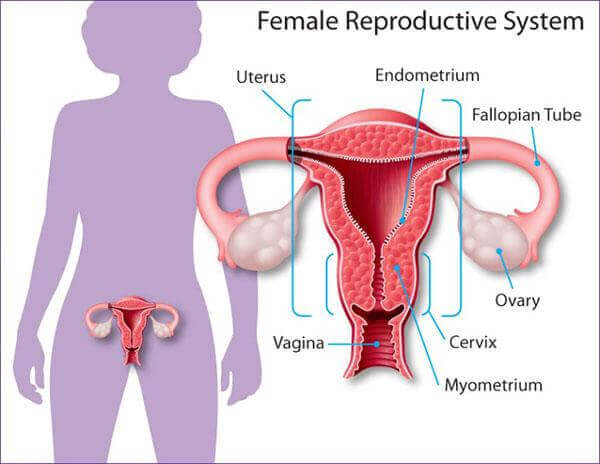
Ovarian cysts are sacs, usually filled with fluid, in an ovary or on its surface. Females have two ovaries. One ovary is located on each side of the uterus. Each ovary is about the size and shape of an almond. Eggs develop and mature in the ovaries. Eggs are released in monthly cycles during the childbearing years.
Ovarian cysts are common. Most of the time, you have little or no discomfort, and the cysts are harmless. Most cysts go away without treatment within a few months. But sometimes ovarian cysts can become twisted or burst open (rupture). This can cause serious symptoms. To protect your health, get regular pelvic exams and know the symptoms that can signal what might be a serious problem.
Symptoms
- Pelvic Pain
- Bloating and Swelling
- Pain During Intercourse
- Menstrual Irregularities
- Painful Periods
- Nausea and Vomiting
- Difficulty Emptying Bowels or Urinating
- Sudden, Severe Pain
- Unusual Hair Growth
- Difficulty Conceiving
Cause
Ovulation is the leading cause of ovarian cysts. It’s a natural process that happens during your menstrual cycle. Other causes include Abnormal cell reproduction, Unusual cell reproduction can cause dermoid cysts or cystadenomas to form. Endometriosis, Endometriomas (or chocolate cysts) often form on your ovary if you have advanced endometriosis. Polycystic ovary syndrome (PCOS), PCOS can cause multiple small cysts to form on your ovaries. Pelvic inflammatory disease (PID), Severe pelvic infections can spread to your ovaries, causing cysts.
Risk Factors
The risk of having an ovarian cyst is higher with Hormonal problems, These include taking a fertility drug that causes you to ovulate, for example clomiphene or letrozole (Femara). Pregnancy, Sometimes, the follicle that forms when you ovulate stays on your ovary throughout pregnancy. It can sometimes grow larger. Endometriosis, Some of the tissue can attach to your ovary and form a cyst. Severe pelvic infection, If the infection spreads to the ovaries, it can cause cysts. Previous ovarian cysts, If you’ve had one ovarian cyst, you’re likely to develop more.
When to see a Doctor
Seek immediate medical attention if you have sudden, severe abdominal or pelvic pain, pain with fever or vomiting. If you have these signs and symptoms or those of shock — cold, clammy skin; rapid breathing; and lightheadedness or weakness — see a doctor right away.