
Infertility
What is Infertility ?
If you and your partner are struggling to have a baby, you’re not alone. Millions of people around the world face the same challenge. Infertility is the medical term for when you can’t get pregnant despite having frequent, unprotected sex for at least a year for most couples.
Infertility may happen because of a health issue with either you or your partner, or a mix of factors that prevent pregnancy. But many safe and effective treatments can boost your chances of getting pregnant.
Symptoms
- Irregular Menstrual Cycles
- Painful Periods
- Heavy Bleeding
- Pain During Intercourse
- Changes in Sexual Desire
- Skin Changes
- Weight Changes
- Testicular Pain or Swelling
- Problems with Ejaculation
- Changes in Hair Growth
Cause
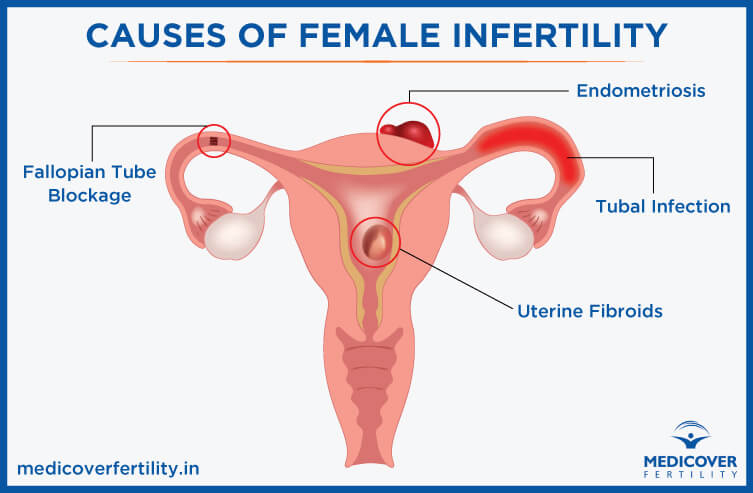
Some causes of infertility affect just one partner, while others affect both partners. Risk factors for infertility include Age, particularly being in your late 30s or 40s. For men, age begins affecting fertility closer to 50. Eating disorders, including anorexia nervosa and bulimia. Excessive alcohol consumption. Exposure to environmental toxins, such as chemicals, lead and pesticides. Over-exercising. Radiation therapy or chemotherapy. Sexually transmitted infections (STIs). Smoking and using tobacco products. (This behavior plays a role in about 13% to 15% of infertility cases.) Substance abuse. Having obesity or being underweight. Abnormalities of the hormone-producing centers of your brain (hypothalamus or pituitary). Chronic conditions and diseases.
Risk Factors
Many of the risk factors for both male and female infertility are the same. They include Age, Tobacco use, Marijuana use, Alcohol use, Being overweight, Being underweight, Exercise issues.
When to see a Doctor
You probably don’t need to see a doctor about infertility unless you have been trying regularly to get pregnant for at least one year. Women should talk with a doctor earlier.