
Nephrotic Syndrome
What is Nephrotic Syndrome ?
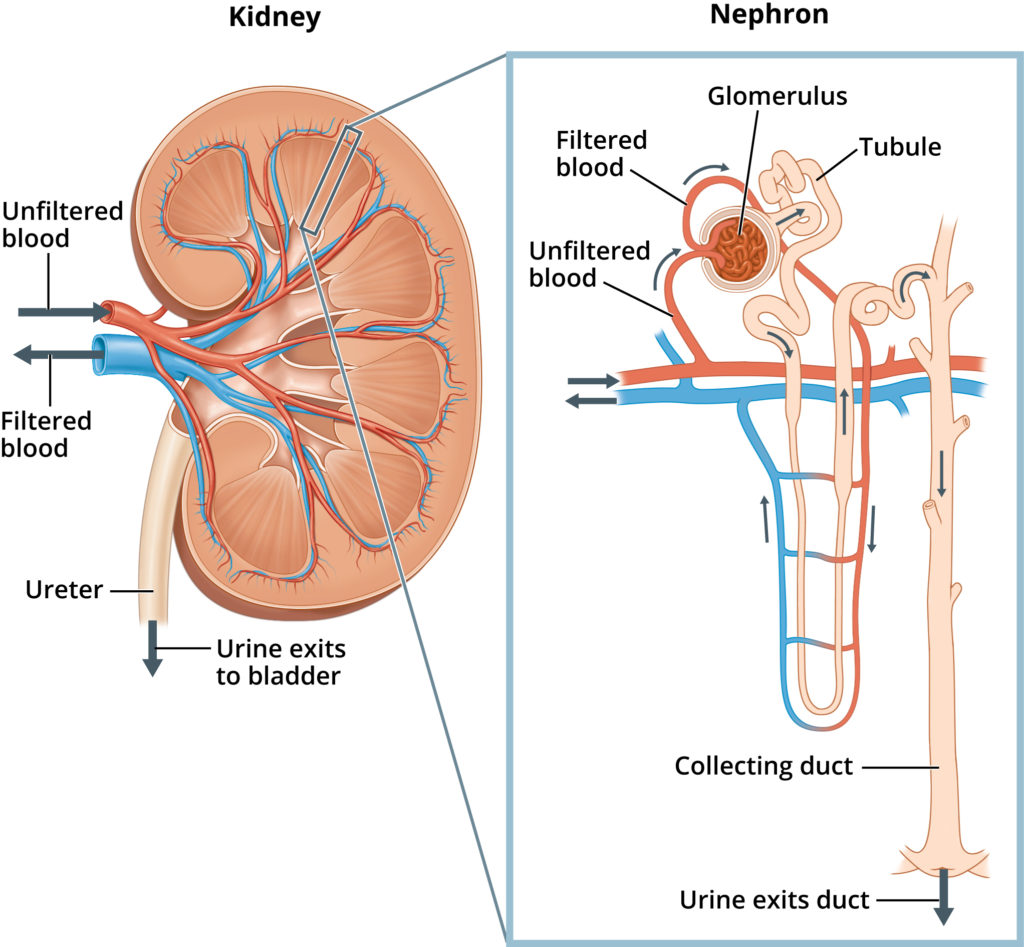
Nephrotic syndrome is a kidney disorder that causes your body to pass too much protein in your urine. Nephrotic syndrome is usually caused by damage to the clusters of small blood vessels in your kidneys that filter waste and excess water from your blood. The condition causes swelling, particularly in your feet and ankles, and increases the risk of other health problems.
Treatment for nephrotic syndrome includes treating the condition that’s causing it and taking medications. Nephrotic syndrome can increase your risk of infections and blood clots. Your doctor might recommend medications and dietary changes to prevent complications.
Symptoms
- Large amounts of the protein albumin in your pee
- High fat and cholesterol levels in your blood
- Swelling (edema), usually in your legs, feet or ankles
- Low levels of albumin in your blood
- Weight Gain
- Loss of appetite
- Feeling unwell or sick
- Abdominal pain
- Foamy pee
- Fatigue
Cause
Kidney diseases often damage your glomeruli. The diseases target your glomeruli, though healthcare providers and medical researchers aren’t sure why. Damaged glomeruli are the primary cause of nephrotic syndrome. These diseases include Amyloidosis, Diabetes-related nephropathy, Focal segmental glomerulosclerosis, Lupus, Membranous nephropathy, Minimal change disease.
Risk Factors
Factors that can increase your risk of nephrotic syndrome include Medical conditions that can damage your kidneys, Certain diseases and conditions increase your risk of developing nephrotic syndrome, such as diabetes, lupus, amyloidosis, reflux nephropathy, and other kidney diseases. Certain medications, Medications that might cause nephrotic syndrome include nonsteroidal anti-inflammatory drugs and drugs used to fight infections. Certain infections, Infections that increase the risk of nephrotic syndrome include HIV, hepatitis B, hepatitis C and malaria.
When to see a Doctor
Make an appointment with your doctor if you have signs or symptoms that worry you.