
Hepatitis B
What is Hepatitis B ?
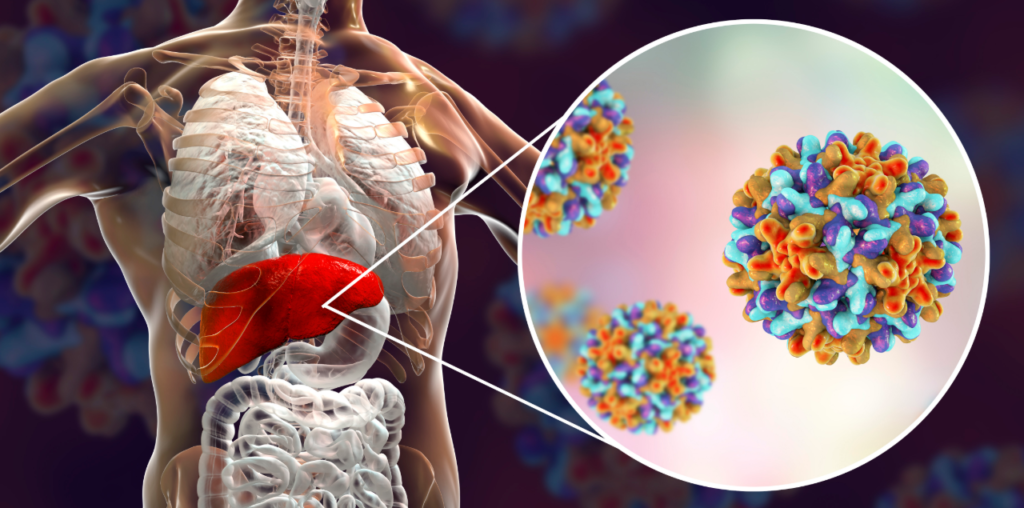
Hepatitis B is a serious liver infection caused by the hepatitis B virus (HBV). For most people, hepatitis B is short term, also called acute. Acute hepatitis B lasts less than six months. But for others, the infection lasts more than six months and is called chronic. Chronic hepatitis B raises the risk of liver failure, liver cancer and serious scarring of the liver called cirrhosis.
Most adults with hepatitis B recover fully, even if their symptoms are bad. Infants and children are more likely to develop a chronic, long-lasting hepatitis B virus infection. A vaccine can prevent infection with the hepatitis B virus. For those who get infected, treatment depends on whether the infection is acute or chronic. Some people need medicine. Others with serious liver damage from a chronic infection need a liver transplant. If you’re infected, taking certain safety measures can help prevent spreading the virus to others.
Symptoms
- Nausea and vomiting
- Weakness
- Dark-colored pee
- Light or clay-colored poop
- Swelling from fluid in your belly or arms and legs
- Abdominal pain
- Fatigue
- Fever
- Joint pain
- Loss of appetite
Cause
You get hepatitis B if you’re exposed to bodily fluids from someone who has the virus. This can be amniotic fluid, blood, menstrual fluid, saliva, semen or vaginal fluid. Exposure to bodily fluids can happen if you share needles or syringes with someone who has the virus. Have unprotected sex with someone who has it. Get stuck with a contaminated medical instrument like a scalpel.
Risk Factors
The hepatitis B virus spreads through contact with blood, semen or other body fluids from an infected person. Your risk of HBV infection rises if you have sex without a condom with multiple sex partners or with someone who’s infected with HBV. Share needles during the use of drugs injected into a vein. Are born male and have sex with men. Live with someone who has a chronic HBV infection. Are an infant who was born to an infected pregnant person. Have a job that exposes you to human blood. Have hepatitis C or HIV. Receive dialysis treatment. Are or have been in prison. Need to take medicine that can weaken the immune system, such as chemotherapy. Travel to regions with high infection rates of HBV, such as Asia, the Pacific Islands, Africa and Eastern Europe.
When to see a Doctor
If you know you’ve been exposed to hepatitis B, contact your doctor immediately. A preventive treatment may reduce your risk of infection if you receive the treatment within 24 hours of exposure to the virus. If you think you have signs or symptoms of hepatitis B, contact your doctor.