
Heart Valve Disease
What is Heart Valve Disease ?
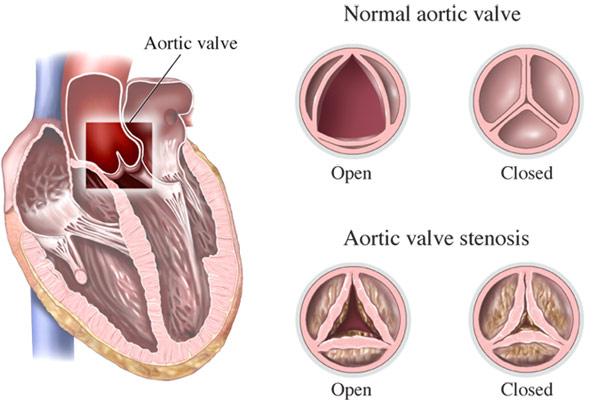
In heart valve disease, one or more of the valves in your heart doesn’t work properly. Your heart has four valves that keep blood flowing in the correct direction. In some cases, one or more of the valves don’t open or close properly. This can cause the blood flow through your heart to your body to be disrupted.
Your heart valve disease treatment depends on the heart valve affected and the type and severity of the valve disease. Sometimes heart valve disease requires surgery to repair or replace the heart valve.
Symptoms
- Shortness of breath
- Fatigue
- Chest pain
- Dizziness
- Palpitations
- Abdominal pain
- Swelling of the ankles and feet
- Fainting
- Irregular heartbeat
- Quick weight gain
- Cough
- Fever
Cause
Common heart valve disease causes include Rheumatic fever from strep throat that wasn’t treated. Heart attack that damages your heart. High blood pressure (advanced). A congenital (present at birth) issue, like a pulmonary or aortic valve that didn’t develop right. Decline or calcification of the valve tissue, with loss of function over time. Thoracic aortic aneurysm (widening of your aorta, which stretches the aortic valve leaflets and can cause leakage). Heart failure. Infection in your heart (infective endocarditis). Lupus. Marfan syndrome.
Risk Factors
Risk factors that give you a greater chance of getting heart valve disease include Using tobacco products. Eating foods that aren’t nutritious. Not getting physical activity. Having certain conditions like diabetes or high blood pressure. Getting radiation treatment for cancer. Having a pacemaker or defibrillator (ICD). Being male. Getting older.
When to see a Doctor
If you have symptoms of possible heart valve disease, make an appointment for a health checkup. You may be referred to a doctor trained in heart diseases, called a cardiologist.