
Rheumatic Heart Disease
What is Rheumatic Heart Disease ?
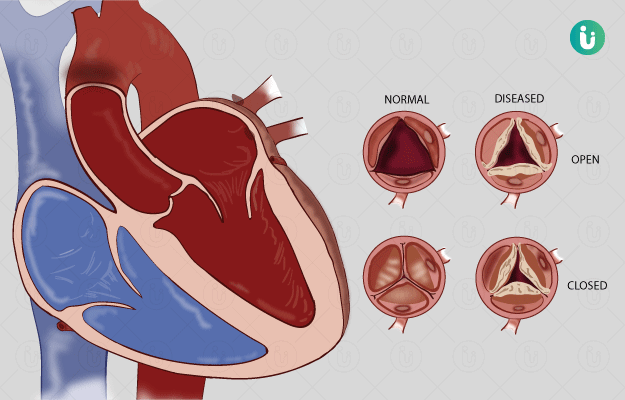
Rheumatic heart disease is a condition in which the heart valves have been permanently damaged by rheumatic fever. The heart valve damage may start shortly after untreated or under-treated streptococcal infection such as strep throat or scarlet fever. An immune response causes an inflammatory condition in the body which can result in on-going valve damage.
Rheumatic heart disease is caused by rheumatic fever, an inflammatory disease that can affect many connective tissues, especially in the heart, joints, skin, or brain. The heart valves can be inflamed and become scarred over time. This can result in narrowing or leaking of the heart valve making it harder for the heart to function normally. This may take years to develop and can result in heart failure. Rheumatic fever can occur at any age, but usually occurs in children ages 5 to 15 years old. It’s rare in developed countries like the United States.
Symptoms
- Fever
- Swollen, tender, red and extremely painful joints — particularly the knees and ankles
- Nodules (lumps under the skin)
- Red, raised, lattice-like rash, usually on the chest, back, and abdomen
- Shortness of breath and chest discomfort
- Uncontrolled movements of arms, legs, or facial muscles
- Weakness
- Shortness of breath (especially with activity or when lying down)
- Chest pain
- Swelling
Cause
Rheumatic heart disease is caused by rheumatic fever. This is an inflammatory disease that can affect many connective tissues, especially in the heart, joints, skin, or brain. The heart valves can be inflamed and become scarred over time. This can result in narrowing or leaking of the heart valve. This makes it harder for the heart to work normally. This may take years to develop and can lead to heart failure. Rheumatic fever can occur at any age. But it often occurs in children ages 5 to 15.
Risk Factors
Rheumatic fever mostly affects children and adolescents in low- and middle-income countries and in marginalized communities, including Indigenous populations, especially where poverty is widespread and access to health services is limited. People who live in overcrowded and poor living conditions are at greatest risk of developing the disease. Where rheumatic fever and rheumatic heart disease are endemic, rheumatic heart disease is the principal heart disease seen in pregnant women, causing significant maternal and perinatal morbidity and mortality. Pregnant women with rheumatic heart disease are at risk of adverse outcomes, including heart arrythmias and heart failure due to increased blood volume putting more pressure on the heart valves. It is not uncommon for women to be unaware that they have rheumatic heart disease until pregnancy.
When to see a Doctor
If your symptoms get worse or you have new symptoms, call your healthcare provider.