
Congenital Heart Disease
What is Congenital Heart Disease ?
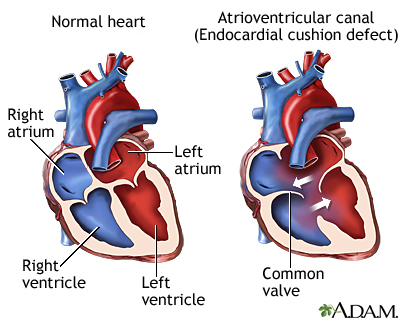
Congenital heart disease is one or more problems with the heart’s structure that exist since birth. Congenital means that you’re born with the defect. Congenital heart disease, also called congenital heart defect, can change the way blood flows through your heart. Some congenital heart defects might not cause any problems. Complex defects, however, can cause life-threatening complications.
Advances in diagnosis and treatment have allowed babies with congenital heart disease to survive well into adulthood. Sometimes, signs and symptoms of congenital heart disease aren’t seen until you’re an adult. If you have congenital heart disease you likely will need care throughout your life. Check with your doctor to determine how often you need a checkup.
Symptoms
- Cyanosis (bluish skin, lips or nails).
- Excessive sleepiness.
- Fast breathing or trouble breathing.
- Fatigue (extreme tiredness).
- Getting unusually tired or out of breath during exercise.
- Heart murmur (a swishing sound your heart makes).
- Poor blood circulation.
- Weak pulse or pounding heartbeat.
- Shortness of breath
- Abnormal heart rhythms (arrhythmias)
- Swelling of body tissue or organs (edema)
- Palpitations
Cause
CHD happens when the fetal heart doesn’t develop correctly in the uterus. Scientists don’t fully understand why that happens, but it may be related to Having abnormal chromosomes or genetics that come from parents or happen randomly. Drinking alcohol, smoking or breathing in secondhand smoke during pregnancy. Taking medications during pregnancy like certain drugs for high blood pressure, high cholesterol or acne. Having an illness during pregnancy (diabetes, phenylketonuria or a viral infection like rubella).
Risk Factors
Congenital heart disease appears to run in families, which means it is inherited. Changes in genes have been linked to heart problems present at birth. For instance, people with Down syndrome are often born with heart conditions. Having rubella during pregnancy may affect how the baby’s heart grows while in the womb. Having type 1 or type 2 diabetes during pregnancy also may change how the baby’s heart grows while in the womb. Taking certain medicines during pregnancy can cause congenital heart disease. Drinking alcohol while pregnant has been linked to heart conditions in the baby. If you smoke, quit. Smoking during pregnancy increases the risk of congenital heart defects in the baby.
When to see a Doctor
Get emergency medical help if you have unexplained chest pain or shortness of breath.