
Coronary Artery Disease
What is Coronary Artery Disease ?
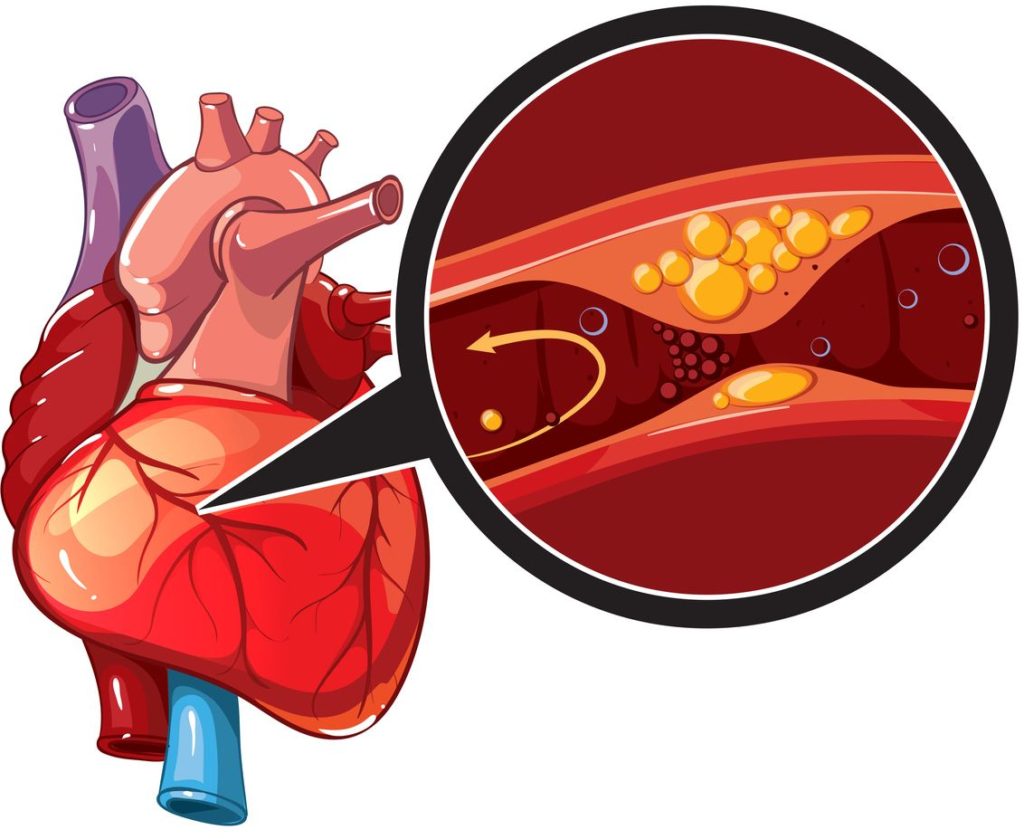
Coronary artery disease develops when the major blood vessels that supply your heart become damaged or diseased. Cholesterol-containing deposits (plaques) in your coronary arteries and inflammation are usually to blame for coronary artery disease.
The coronary arteries supply blood, oxygen and nutrients to your heart. A buildup of plaque can narrow these arteries, decreasing blood flow to your heart. Eventually, the reduced blood flow may cause chest pain (angina), shortness of breath, or other coronary artery disease signs and symptoms. A complete blockage can cause a heart attack.
Because coronary artery disease often develops over decades, you might not notice a problem until you have a significant blockage or a heart attack. But you can take steps to prevent and treat coronary artery disease. A healthy lifestyle can make a big impact.
Symptoms
- Chest pain (angina)
- Cold sweats
- Dizziness
- Lightheadedness
- Nausea or a feeling of indigestion
- Neck pain
- Shortness of breath, especially with activity
- Weakness
- Extreme tiredness
- Nausea
- Pressure or tightness in the chest
- Stomach pain
Cause
Atherosclerosis causes coronary artery disease. Atherosclerosis is the gradual buildup of plaque in arteries throughout your body. When the plaque affects blood flow in your coronary arteries, you have coronary artery disease. Plaque consists of cholesterol, waste products, calcium and fibrin (a substance that helps your blood clot). As plaque collects along your artery walls, your arteries become narrow and stiff. Plaque can clog or damage your arteries, which limits or stops blood flow to a certain part of your body. When plaque builds up in your coronary arteries, your heart muscle can’t receive enough blood. So, your heart can’t get the oxygen and nutrients it needs to work properly (myocardial ischemia). It leads to chest discomfort (angina) and puts you at risk of a heart attack.
Risk Factors
Being older than 45 if you’re male or over 55 if you’re female. Having a biological family member with heart disease, especially a father or brother with a diagnosis before age 55 or mother or sister before age 65. Eating a lot of saturated fat or refined carbohydrates. Not exercising enough. Not getting enough sleep. Smoking, vaping or other tobacco use. Having atherosclerosis. High blood pressure. High LDL (“bad”) cholesterol. Low HDL (“good”) cholesterol. High triglycerides (hypertriglyceridemia). Anemia. Autoimmune diseases, including lupus and rheumatoid arthritis. Chronic kidney disease. Diabetes. HIV/AIDS. Metabolic syndrome. A body mass index (BMI) higher than 25. Sleep disorders like sleep apnea. Early menopause (before age 40). Endometriosis. History of gestational diabetes, eclampsia or preeclampsia. Use of hormonal birth control.
When to see a Doctor
If you have risk factors for coronary artery disease — such as high blood pressure, high cholesterol, tobacco use, diabetes, obesity a strong family history of heart disease — talk to your doctor. Your doctor may want to test you for coronary artery disease, especially if you have signs or symptoms of narrowed arteries.