
Genitourinary Cancer
What is Genitourinary Cancer ?
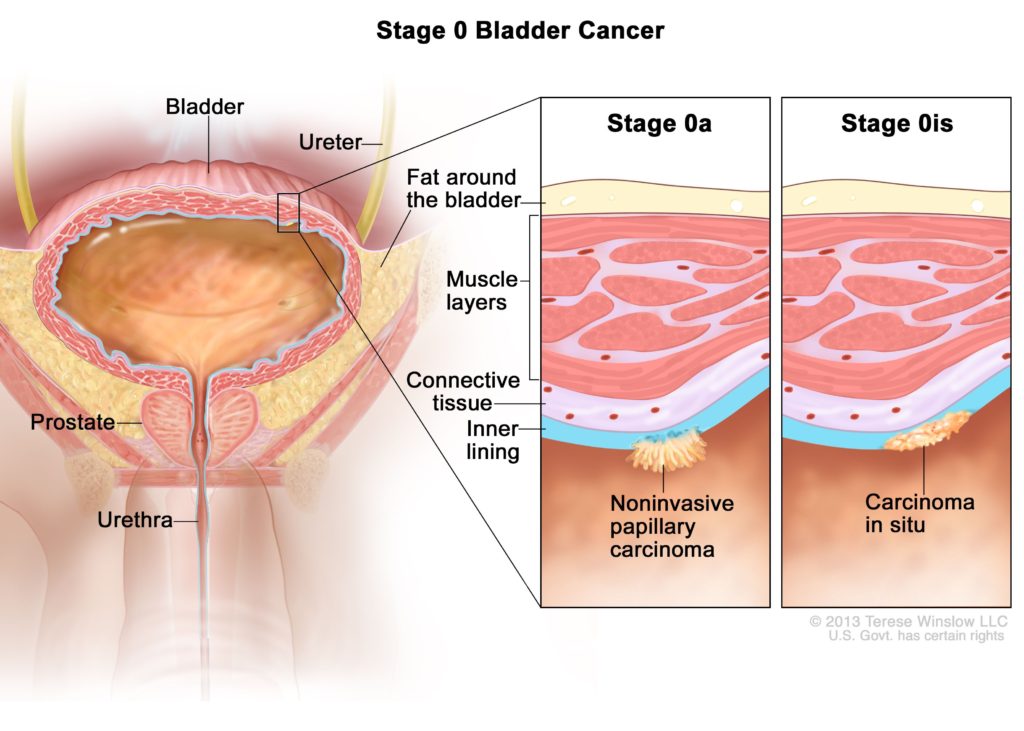
Bladder cancer is a common type of cancer that begins in the cells of the bladder. The bladder is a hollow, muscular organ in your lower abdomen that stores urine. Bladder cancer most often starts in the cells (urothelial cells) that line the inside of your bladder. Urothelial cells are also found in your kidneys and the tubes (ureters) that connect the kidneys to the bladder. Urothelial cancer can happen in the kidneys and ureters, too, but it’s much more common in the bladder.
Most bladder cancers are diagnosed at an early stage, when the cancer is highly treatable. But even early-stage bladder cancers can come back after successful treatment. For this reason, people with bladder cancer typically need follow-up tests for years after treatment to look for bladder cancer that recurs.
Symptoms
- Visible blood in your pee
- Pain when you pee
- Needing to pee a lot
- Having trouble peeing
- Difficulty urinating
- Persistent bladder infections
- Back pain
- Urinary urgency
- Fatigue
- Weight loss
Cause
Healthcare providers and researchers don’t know exactly why certain bladder cells mutate and become cancerous cells. They’ve identified many different risk factors that may increase your chance of developing bladder cancer, including Cigarette smoke, Radiation exposure, Chemotherapy, Exposure to certain chemicals, Frequent bladder infections, and Chronic catheter use.
Risk Factors
Factors that may increase bladder cancer risk include Smoking cigarettes, cigars or pipes may increase the risk of bladder cancer by causing harmful chemicals to accumulate in the urine. When you smoke, your body processes the chemicals in the smoke and excretes some of them in your urine. These harmful chemicals may damage the lining of your bladder, which can increase your risk of cancer. Bladder cancer risk increases as you age. Though it can occur at any age, most people diagnosed with bladder cancer are older than 55. Men are more likely to develop bladder cancer than women are.Your kidneys play a key role in filtering harmful chemicals from your bloodstream and moving them into your bladder. Because of this, it’s thought that being around certain chemicals may increase the risk of bladder cancer. Treatment with the anti-cancer drug cyclophosphamide increases the risk of bladder cancer. People who received radiation treatments aimed at the pelvis for a previous cancer have a higher risk of developing bladder cancer. Chronic or repeated urinary infections or inflammations (cystitis), such as might happen with long-term use of a urinary catheter, may increase the risk of a squamous cell bladder cancer. If you’ve had bladder cancer, you’re more likely to get it again. If one of your blood relatives — a parent, sibling or child — has a history of bladder cancer, you may have an increased risk of the disease, although it’s rare for bladder cancer to run in families. A family history of Lynch syndrome, also known as hereditary nonpolyposis colorectal cancer (HNPCC), can increase the risk of cancer in the urinary system, as well as in the colon, uterus, ovaries and other organs.
When to see a Doctor
If you notice discolored urine and are concerned it may contain blood, schedule an appointment with your doctor to have it checked. Also, make an appointment with your doctor if you have other signs or symptoms that worry you.