
Endocrine Cancer
What is Endocrine Cancer ?
Endocrine tumors develop when abnormal cells in an endocrine gland or organ grow and multiply uncontrollably. Over time, the new cells can develop into a solid mass of tissue known as a tumor. In most cases, endocrine tumors are benign (noncancerous). In cases where they are malignant (cancerous), the cells that make up the tumor are capable of invading nearby tissues and spreading to other parts of the body, where they can form new tumors.
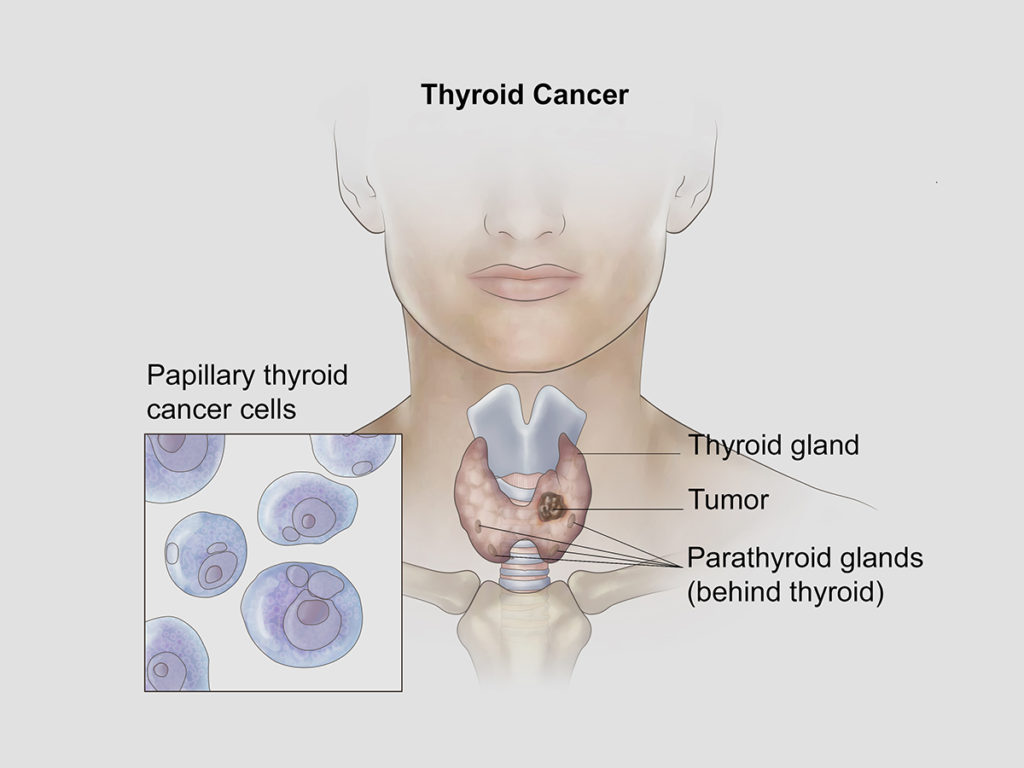
While many kinds of endocrine cancers are rare, some are common. For example, thyroid cancer, a type of endocrine cancer, is the seventh most commonly diagnosed cancer in women and the tenth most commonly diagnosed cancer in men in the United States. Other endocrine cancers include cancers of the adrenal glands, parathyroid glands, pituitary gland, hypothalamus, and pancreas. Fortunately, effective treatments, including surgery, chemotherapy, radiation therapy, and medications, among other therapies, are available for endocrine cancers.
Symptoms
- Fatigue
- Unexplained Weight Loss or Gain
- Lump or Mass
- Abdominal Pain
- Nausea and Vomiting
- Changes in Bowel or Bladder Habits
- Skin Rash or Flushing
- Diarrhea
- Flushing
- Shortness of Breath
- High Blood Pressure
- Low Blood Sugar
Cause
The cause of most endocrine cancers is usually unclear. Normally, the growth and production of new cells are tightly regulated to ensure that only healthy cells are produced and survive. In cancer, genetic changes—or mutations—in a single cell interfere with the careful regulation of cell growth and production. As a result, the affected cell grows and multiplies uncontrollably and can invade nearby tissues and spread to other parts of the body. The genetic changes that trigger cancer may be inherited from one or both parents or may occur sporadically, meaning they are acquired during a person’s life. Sporadic mutations can occur randomly or due to environmental exposures, such as smoking tobacco products or radiation exposure.
Risk Factors
Risk factors for endocrine tumors may include being female, being between 25 and 80 years of age, radiation exposure, such as head or neck radiation treatments in childhood, personal history of goiter, thyroid nodules, or a previous thyroid cancer diagnosis, family history of thyroid cancer or thyroid disease, certain genetic conditions, certain inherited conditions, smoking, alcohol consumption, family history of pancreatic NETs, chronic Pancreatitis, diabetes.
When to see a Doctor
Make an appointment with your doctor if you have any signs or symptoms that worry you.