
Liver Cancer
What is Liver Cancer ?
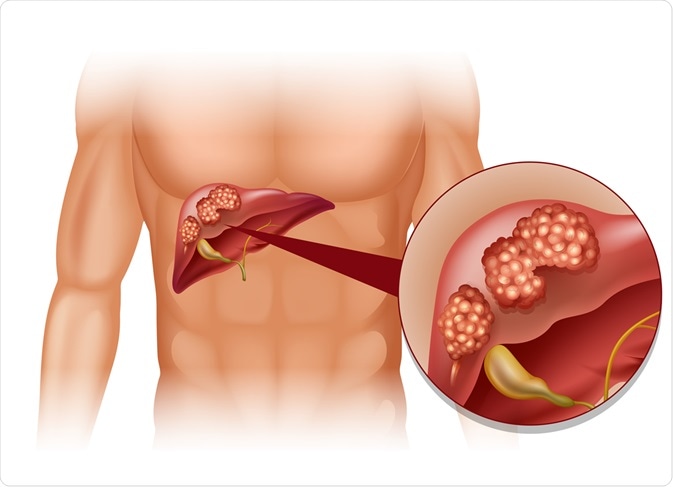
Liver cancer is cancer that begins in the cells of your liver. Your liver is a football-sized organ that sits in the upper right portion of your abdomen, beneath your diaphragm and above your stomach. Several types of cancer can form in the liver. The most common type of liver cancer is hepatocellular carcinoma, which begins in the main type of liver cell (hepatocyte). Other types of liver cancer, such as intrahepatic cholangiocarcinoma and hepatoblastoma, are much less common.
Cancer that spreads to the liver is more common than cancer that begins in the liver cells. Cancer that begins in another area of the body — such as the colon, lung or breast — and then spreads to the liver is called metastatic cancer rather than liver cancer. This type of cancer is named after the organ in which it began — such as metastatic colon cancer to describe cancer that begins in the colon and spreads to the liver.
Symptoms
- Itchy skin
- Loss of appetite or unexplained weight loss
- Nausea and vomiting
- Upper abdominal pain on the right side of your body or swollen abdomen
- Yellowing of your skin and the whites of your eyes from jaundice
- Dark-colored pee or grey or pale poop
- Unexplained bruising
- Fatigue
- Fever
- Hard bump or lump on the right side of your body just below your rib cage
Cause
Liver cancer happens when something affects healthy liver cells’ DNA. DNA carries the genes that tell our cells how to function. We all have genes that tell cells when to grow, multiply and die. For example, oncogenes help cells grow and divide. Tumor suppressor genes keep cells from multiplying uncontrollably. They also make sure cells die when they’re supposed to die. When our DNA mutates, or changes, our cells get new instructions. Certain medical conditions and other issues can affect your liver’s DNA and increase your risk of developing liver cancer.
Risk Factors
Factors that increase the risk of primary liver cancer include Chronic infection with HBV or HCV, Chronic infection with the hepatitis B virus (HBV) or hepatitis C virus (HCV) increases your risk of liver cancer. Cirrhosis, This progressive and irreversible condition causes scar tissue to form in your liver and increases your chances of developing liver cancer. Certain inherited liver diseases, Liver diseases that can increase the risk of liver cancer include hemochromatosis and Wilson’s disease. Diabetes, People with this blood sugar disorder have a greater risk of liver cancer than those who don’t have diabetes. Nonalcoholic fatty liver disease, An accumulation of fat in the liver increases the risk of liver cancer. Exposure to aflatoxins, Aflatoxins are poisons produced by molds that grow on crops that are stored poorly. Crops, such as grains and nuts, can become contaminated with aflatoxins, which can end up in foods made of these products. Excessive alcohol consumption, Consuming more than a moderate amount of alcohol daily over many years can lead to irreversible liver damage and increase your risk of liver cancer.
When to see a Doctor
Make an appointment with your doctor if you experience any signs or symptoms that worry you.